From humid summers to mild winters, Alabama’s climate gives many mite species the conditions they need to thrive indoors and outdoors. If you’re noticing allergy flare-ups, tiny red bites, or plant stippling, it may be time to consider targeted Alabama mite control. Because mites are small and often microscopic, homeowners commonly confuse them with other pests. When in doubt, schedule a professional mite control inspection to identify the species and tailor the right response. And if you’ve battled other hard-to-spot pests like bed bugs, you already know that precise identification matters—see our guidance on bed bug treatment in Alabama for comparison.
Types of Mites in Alabama
Several mite species are regularly encountered across Alabama homes, businesses, and landscapes. Knowing which one you’re dealing with helps you choose the best approach.
- Dust mites Common in bedding, upholstery, and carpets; a leading trigger of dust mite allergies and asthma-like symptoms.
- Bird mites Often migrate indoors from abandoned bird nests in eaves or vents; can bite and cause irritation.
- Clover mites Tiny red mites that invade structures in large numbers; nuisance invaders that do not bite.
- Chiggers (harvest mites) Outdoor larvae that cause intensely itchy welts after time in tall grass or brush.
- Spider mites Landscape and houseplant pests that create speckled leaves and fine webbing as they feed.
Impact of Mite Infestations
Impacts range from nuisance issues to significant health and property concerns. Dust mites can worsen indoor air quality and trigger dust mite allergies, while bird mite infestations can lead to persistent skin irritation and sleepless nights. Outdoors, spider mites weaken ornamentals and food crops, causing stippling, leaf drop, and plant stress. Because mites reproduce quickly, a small issue can escalate fast—early detection and a structured treatment plan are essential for comfort, health, and protecting your property.

Magnified view of a mite or spider mite crawling on a leaf, highlighting the potential for these pests to infest and damage plants, gardens, and lawns.
Detection Methods for Identifying Mites
Signs of Infestation
Typical indicators include persistent sneezing or congestion indoors (especially upon waking), itchy or irritated skin after time on couches or beds, tiny moving specks near windowsills, and plant leaves showing stippling or yellowing. Because mites are small, homeowners sometimes misidentify them as other arthropods. If you’re distinguishing plant webbing from webbing caused by other arachnids, this resource on Alabama venomous spiders is helpful for comparison. Also, if nighttime sounds or activity draw your attention, remember that unrelated pests like crickets require different tactics—see Alabama cricket control for guidance.
Detection Methods
- Visual inspections using magnification Use a bright flashlight and a 10–30x hand lens to check seams, baseboards, windowsills, and plant undersides for moving specks or webbing.
- Checking for skin irritations Track when and where itching or rashes occur; correlate with time spent on certain furniture, bedding, or outdoor areas.
- Using traps and lures Place clear tape traps or sticky cards near suspected hotspots to capture specimens for identification.
- Employing dust samples Collect dust from mattresses, vents, and carpets; labs or pros can assess allergen levels and identify mite presence.
- Inspecting bedding and furniture Look closely at mattress seams, box spring folds, and upholstered joints where mites and allergens accumulate.
- Professional pest control assessments Pros combine experience with tools (microscopes, allergen tests) to confirm species and activity areas.
- Microscopic examinations For tiny species, microscopy can validate identification when visual inspection isn’t conclusive.
- Monitoring humidity levels Maintain indoor relative humidity near 40–50%; consistently higher levels correlate with dust mite proliferation.
Effective Treatments for Mites in Alabama
Treatment Options
An effective plan combines sanitation, environmental adjustments, and targeted products. Wash bedding weekly in hot water, encase mattresses and pillows with allergen-proof covers, and vacuum thoroughly using a sealed HEPA system. For spider mites on ornamentals, use species-specific miticides or horticultural oils according to label directions. Lower indoor humidity to slow dust mite reproduction and improve comfort. Addressing other pest pressures that introduce mites—such as rodents and storage pests—also strengthens results; if you’ve seen gnawing or droppings, explore comprehensive Alabama rodent control to eliminate potential sources. Likewise, occasional invaders share pathways and harborage with mites; our Alabama centipede control resources explain how exclusion and moisture management reduce activity.
Natural Remedies
- HEPA vacuuming and dust reduction Frequent, methodical vacuuming captures allergens and mite debris while limiting airborne particles.
- Hot-water laundry (130°F+) Weekly laundering of sheets, pillowcases, and washable covers reduces dust mite loads.
- Allergen-proof encasements High-quality mattress and pillow encasements create a physical barrier and simplify cleaning.
- Steam cleaning Target upholstery and carpeting; dry promptly to avoid moisture issues that favor mites and molds.
- Dehumidification Maintain indoor RH near 40–50% to hinder dust mite reproduction and improve air quality.
- Horticultural oils for plants On landscape or houseplants, rotate oils/miticides as labeled to manage spider mites without overuse.
Professional Pest Control Solutions
- Chemical treatments specific to mites Licensed pros select EPA-registered products tailored to the species and surface (fabrics, cracks, foliage).
- Integrated pest management strategies Combines inspection, cultural controls, product selection, and client education for long-term relief.
- Regular monitoring and follow-up treatments Scheduled visits verify progress and adjust tactics as seasons and humidity shift.
Protect Your Home from Pests Today!
Guardian Pest offers complete pest control solutions tailored to your needs. Our experienced team ensures your home remains a safe and pest-free environment with effective treatments.
Effective Solutions
Get rid of unwanted pests with our tailored pest control plans designed to target your specific issues.
Get StartedSafety Focused
We prioritize the safety of your home and family by using eco-friendly products and methods.
Learn MoreQuick Response Time
Our team is ready to respond to your pest problems quickly to minimize any disruption.
Contact UsPreventing Mite Infestations
Preventative Measures
- Seal and screen entry points Repair torn screens, seal gaps, and weatherstrip doors to limit indoor migration.
- Manage clutter and fabric reservoirs Reduce dust-collecting items; choose washable covers and clean on a routine schedule.
- Weekly hot-water laundry Wash sheets and pillowcases at 130°F+ to lower dust mite allergens.
- Vacuum with HEPA filtration Capture fine particles and allergens; clean under beds, sofas, and along baseboards.
- Address exterior conditions Trim vegetation off foundations and correct mulch heights to discourage clover mite invasions.
- Bird nest exclusion Install vent covers and remove abandoned nests to prevent bird mite introductions.
Maintaining a Healthy Environment
Keep indoor RH near 40–50%, run exhaust fans during cooking and bathing, and use adequately sized dehumidifiers in basements or crawlspaces. Pair these steps with broader home pest prevention—sanitation and exclusion that deter other indoor pests will also reduce mite pressure. For example, the same practices that support Alabama cockroach control and good storage habits that limit Alabama earwig control concerns also remove moisture and food sources mites exploit.
Regular Inspections and Monitoring
Perform seasonal checks around windows, vents, and attic spaces—especially after birds vacate nests or after lawn and garden maintenance. Document changes, track humidity, and consider professional inspections before peak seasons to prevent small problems from escalating.
Common Questions and Concerns
FAQs about Mites in Alabama
- What should I do if I suspect a mite infestation? Begin with a focused inspection, reduce humidity, and clean key reservoirs (bedding, carpets, upholstery). If plant damage is involved, isolate affected plants. When identification is unclear—or you’re weighing mites against look-alike pests—review safety information for regional arachnids like those on Alabama venomous spiders, then schedule a professional assessment.
- Are mite treatments safe for my pets? Most treatments used by licensed professionals are applied per label directions with people and pets in mind. You may be asked to keep pets out of treated zones until products dry. Always disclose sensitive species and follow re-entry guidance, just as you would for outdoor services such as North Alabama mosquito control.
- How often should I have my home inspected? Once or twice per year is common, with extra attention during humid seasons or after known risk events (bird nesting, renovations, landscape changes). Ongoing monitoring supports prevention and early intervention.
Final Thoughts on Mite Management
Summary of Key Points
- Accurate identification Pinpointing the species drives the right plan and avoids wasted effort.
- Layered approach Combine sanitation, humidity control, and targeted products for reliable results.
- Ongoing monitoring Rechecks confirm progress and catch seasonal changes early.
- Prevention pays off Proactive steps reduce allergens, bites, and plant damage long-term.
Encouragement to Seek Professional Help
Because mites are difficult to see and easy to misidentify, partnering with a licensed pest professional can save time and discomfort. Pros bring specialized tools, experience across species, and safe product choices that fit your home’s needs. They also understand how mite pressures relate to other local challenges, from Alabama stinging pest control around patios to pantry and fabric pests like those addressed by Alabama moth control.
Long-term Benefits of Prevention
Sustained prevention improves indoor air quality, protects furnishings and landscapes, and reduces the chance of recurring outbreaks. With a clear plan and regular check-ins, your home remains more comfortable, healthier, and easier to maintain year-round.
Prevent Pests Before They Become a Problem!
Guardian Pest provides proactive pest control solutions to help prevent infestations and protect your home from unwanted guests. Schedule your consultation today.
Book ConsultationChoosing Pest Control in Alabama
Choosing a Pest Control Service
A quality provider will start with inspection and identification, discuss options, and craft a plan that fits your family, pets, and property. Look for companies that practice integrated pest management (IPM) instead of one-size-fits-all treatments, and that are experienced with nuisance invaders as well as moisture-associated pests like earwigs and silverfish. For example, if you’ve seen pincher-like insects near baseboards, explore our guidance on Alabama earwig control. If you’re finding papery shreds or damaged books, review silverfish control in Alabama as part of a comprehensive plan.
What to Look For
- Licensing and insurance Verify state credentials and coverage for peace of mind.
- Species expertise Experience with dust mites, bird mites, and plant-feeding spider mites matters.
- IPM methodology Emphasis on inspection, prevention, and targeted treatments reduces risk and cost.
- Clear communication Written service plans, prep steps, and follow-up schedules keep everyone aligned.
- Safety-first approach Pet- and family-conscious product selection with clear re-entry guidance.
- Reviews and guarantees Positive feedback and sensible warranties demonstrate accountability.
Questions to Ask Potential Providers
- What species are present? Ask how they confirmed identification and what evidence supports it.
- What’s the treatment plan? Request steps, products, safety precautions, and expected timelines.
- How will we prevent recurrence? Clarify sanitation, humidity targets, and exterior adjustments.
- What follow-ups are included? Ensure monitoring visits and adjustments are part of service.
Mite Infestations in Alabama: Detection & Treatment Solutions FAQ
In Alabama, the most common types of mites include dust mites, bird mites, and clover mites. Dust mites are prevalent indoors due to their preference for warm and humid environments, often found in bedding and fabrics.
It's advisable to consult with a North Alabama pest control expert to identify specific mite types and apply appropriate control measures promptly. Understanding the types of mites can help tailor effective treatment strategies.
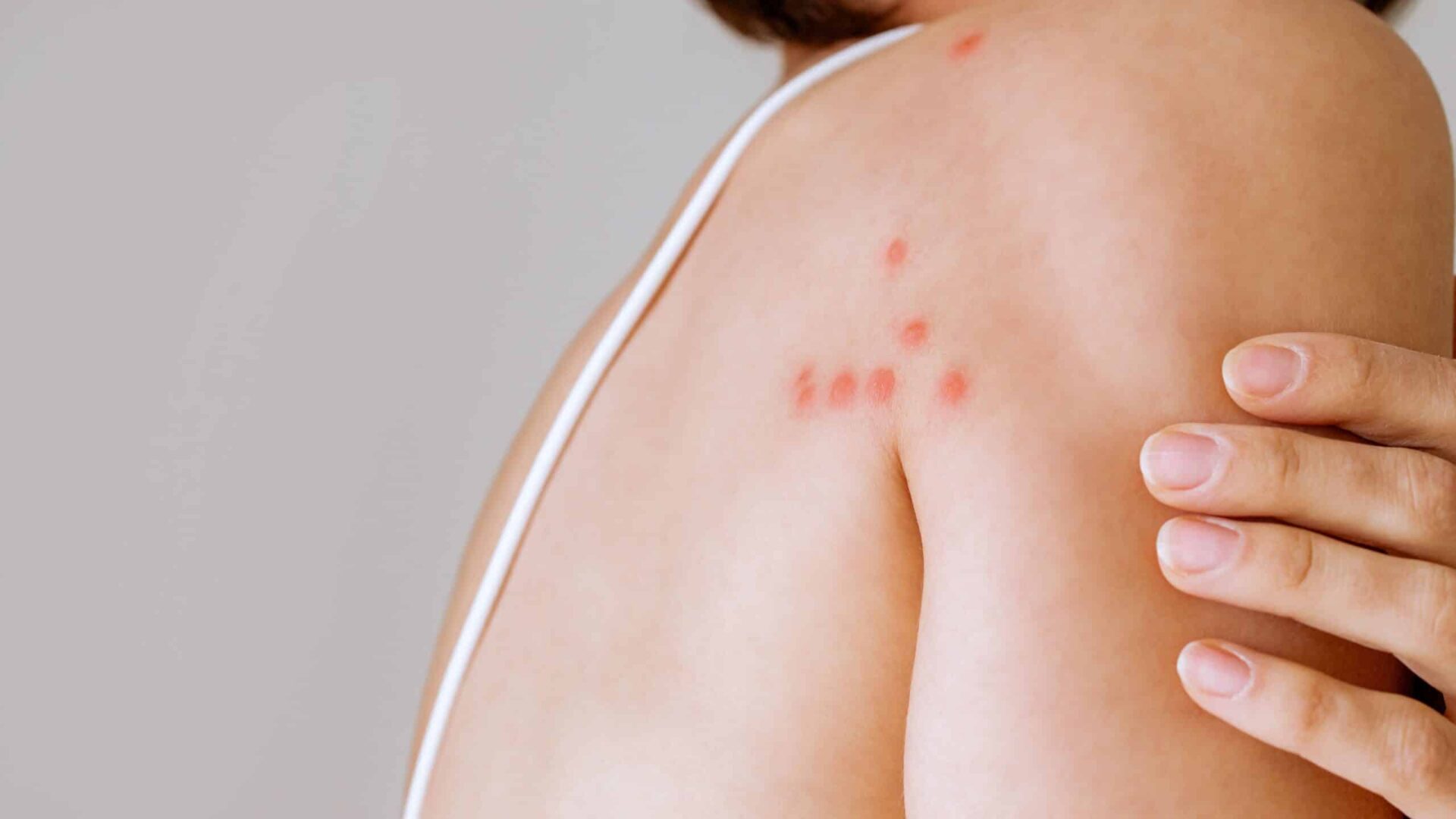
Identifying a mite infestation can be tricky due to their microscopic size. You might notice increased allergy symptoms or find small red bumps on the skin from mite bites. Dust mites, in particular, can worsen allergic reactions and asthma symptoms.
If you're unsure, contacting Alabama pest control specialists or North Alabama pest control services for a professional assessment can provide peace of mind and appropriate action plans for mite control.
Mite infestations can pose several health risks, particularly for those with allergies and respiratory issues. Mites can contribute to worsening conditions such as asthma by reducing air quality. Common symptoms include sneezing, runny noses, and itchy eyes.
If you suspect a mite infestation, contacting a reputable Alabama pest control service can help address the issue before it becomes a health concern. North Alabama pest control experts can offer effective solutions to safeguard your health and home environment.
A typical mite treatment with a professional pest control service in Alabama can vary depending on severity, but generally, the process can be completed in a few hours. More extensive infestations might require follow-up visits, particularly for thorough coverage and ongoing preventative measures.
Companies specializing in North Alabama pest control, including preventative pest control in Huntsville, often provide tailored solutions that ensure mites are eliminated effectively and efficiently, keeping your home safe and comfortable.
While tackling minor pest issues might seem manageable, hiring a professional Alabama pest control service is often more effective. They have access to tools and treatments designed to address infestations thoroughly, preventing future occurrences. Searching for "pest control near me" can connect you with reliable providers who offer comprehensive pest control services in Alabama.
Professionals also stay updated on the latest pest control technologies and methods, ensuring safe and efficient treatments. Investing in professional services can save time and potentially costly damages caused by persistent pest issues.
To minimize mite problems, using preventative pest control strategies is key. Ensure your home in Huntsville, Alabama, is regularly cleaned and vacuumed, especially in areas where dust accumulates such as carpets, curtains, and upholstery. Keeping humidity levels low also discourages mite infestations as they thrive in moist environments.
Consider consulting with Alabama pest control experts who can provide professional inspections and customized treatment plans. By integrating these practices with professional advice, you can significantly reduce the risk of mite invasions.