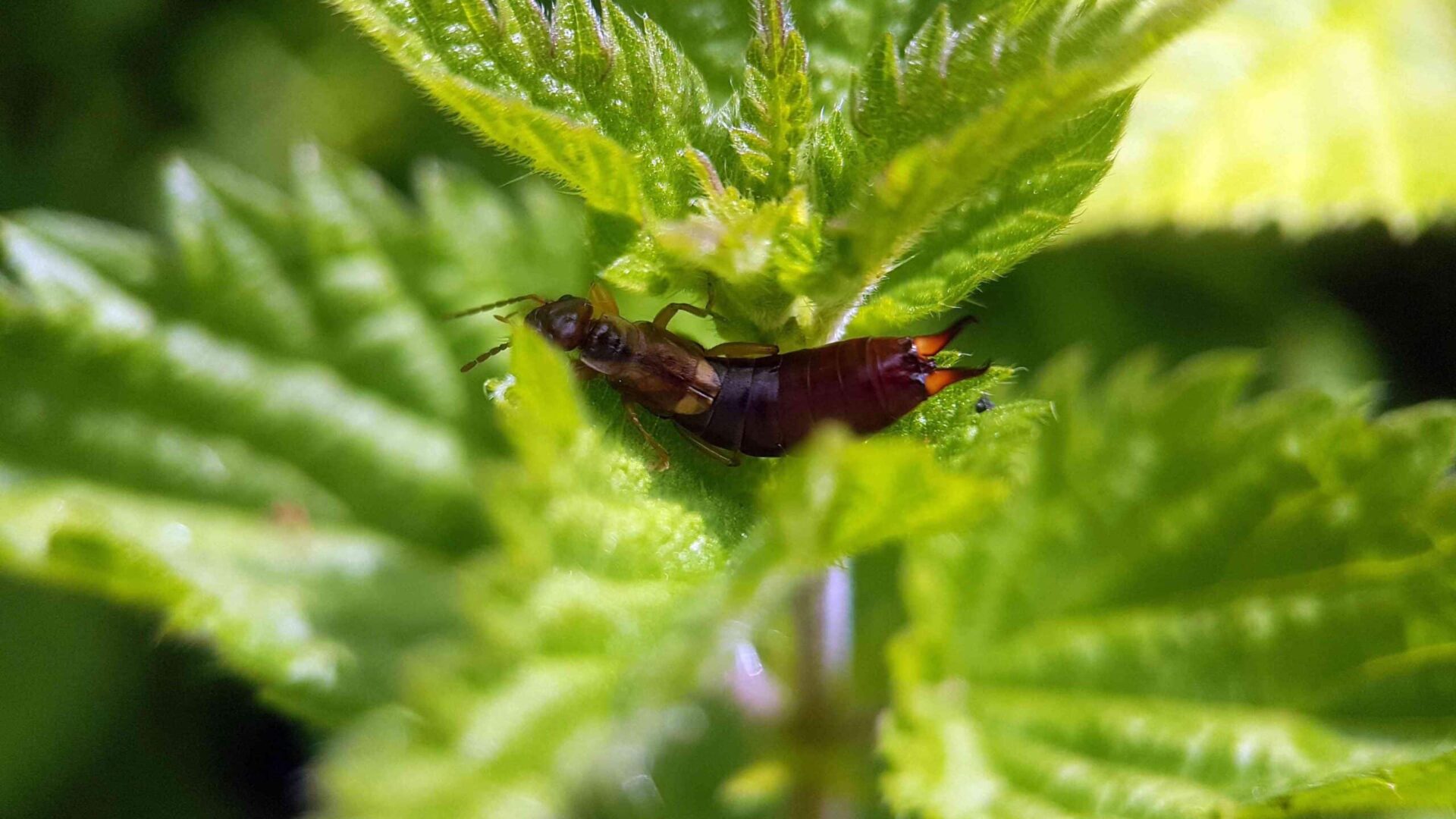
Overview of Alabama Beetles
Alabama is home to a diverse range of beetles, many of which pose significant challenges to homeowners and agricultural sectors. Recognizing these beetles and understanding their habits is crucial in addressing potential infestations effectively. From the destructive carpet beetles found indoors to the wood-boring beetles that can undermine the structure of homes, knowing which species you’re dealing with can determine the best course of action.
Beetle control is essential because the presence of beetles can lead to both economic and aesthetic damages, impacting homes and gardens alike. Some species, like the powderpost beetles, may not only damage furniture but also the structural integrity of homes. Meanwhile, understanding the habitat and diet of these pests can make prevention and treatment far more effective.
Why Understanding Beetles is Important
Understanding beetle behavior and identification is vital for protecting properties. Beetles can have significant impacts, particularly in Alabama where climate conditions favor their proliferation. With infestations, property owners may face extensive repairs, making early detection and identification critical. Moreover, knowledge about these pests and their various control strategies can help mitigate their negative effects.
By comprehending the lifecycle and habits of beetles, including their preferred feeding grounds, you can better anticipate and prevent infestation. This not only saves money but also reduces the stress associated with extensive pest management.
Common Species in Alabama
Several beetle species are prevalent in Alabama, including carpet beetles, known for their affinity to household items such as carpets and clothes, causing what is known as carpet beetle damage. Powderpost beetles are also common and are notorious for causing severe damage to wooden structures.
Identifying these common beetles is crucial in developing the right management strategies. Effective control methods start with knowing your pests and appropriate identification techniques can aid in selecting the most efficient prevention and treatment plans.

A panoramic view of a residential neighborhood in Madison, Alabama, showcasing the need for comprehensive lawn care and pest control services to maintain the appealing landscaping and ensure a healthy
Visual Identification of Beetles
Identifying beetles in Alabama often starts with noting their distinct visual characteristics. From small, uniquely colored beetles like the carpet beetle to the slender, elongated body of the powderpost beetle, these pests have identifiable features that make them recognizable. Recognizing these visual traits is the first step in addressing potential infestations.
Carpet beetles, for instance, often have multi-colored shells with distinctive patterns. Meanwhile, powderpost beetles tend to have more uniform coloration and are typically brown or black. Another commonly identified trait is the damage they leave in their wake, such as holes in wooden surfaces.
Behavioral Traits
Understanding the behavioral patterns of beetles can also help in their identification and control. Many beetles in Alabama are nocturnal, making it crucial to inspect potential hotspots during the night or early morning. They are typically attracted to damp or dark areas where they can hide and lay eggs, which can result in substantial infestation if left unchecked.
Alabama cricket control methods and other pest management techniques can often be adapted for beetles if you are familiar with these behavioral trends. For instance, monitoring movement and seasonal activity can indicate the best times for intervention.
Moreover, understanding their lifecycle and habitat preferences can enhance preventive measures. Frequent inspections and identifying these behavioral signs early can greatly reduce potential damage.
Impact on Homes
Beetles like the wood-boring species can cause extensive damage to home structures by burrowing into wood. This damage can compromise the integrity of affected areas, requiring costly repairs. Moreover, carpet beetles can damage textiles, leading to irreparable losses to household fabrics and furniture, further emphasizing the importance of early treatment.
The infestation often starts small, making early detection crucial. Homeowners should regularly inspect for holes in wood and other signs of beetle activities to prevent larger infestations from developing.
Effects on Agriculture
Agricultural impacts are also significant, particularly with certain beetle species that target crops. Beetles can destroy foliage, reducing yield and impacting crop quality. Managing these pests is vital for protecting the food supply and supporting the agricultural economy in Alabama.
Utilizing appropriate pest control strategies can mitigate these effects. Deploying integrated pest management techniques helps in maintaining balance while safeguarding plant life.
Signs of Infestation
Recognizing the signs of an infestation is paramount. Key indicators include the presence of beetle larvae, damaged wood or textiles, and the emergence of adult beetles from hiding spots.
Regular inspections can help identify these signs early. Noting unusual signs in the garden or around storage areas can also suggest a need for proactive measures.
In addition to physical signs, the behavioral changes in your plants or wooden structures could indicate an ongoing beetle infestation, emphasizing the importance of vigilance and frequent property inspections.
Prevent Pests Before They Become a Problem!
Guardian Pest provides proactive pest control solutions to help prevent infestations and protect your home from unwanted guests. Schedule your consultation today.
Book ConsultationControl Methods
For effective beetle management in Alabama, a combination of chemical and natural methods proves most effective. These methods not only address immediate threats but support ongoing management to prevent re-infestation.
- Chemical Treatments: Use of pesticides specifically for beetles, which can be applied in infested areas to eliminate beetles rapidly.
- Natural Remedies: Implementing barriers or using natural predators to keep beetle populations in check without resorting to chemicals.
- Regular Maintenance: Includes routine inspections and sanitation to reduce habitat attractiveness for beetles.
Prevention Strategies
Prevention is key when it comes to beetle infestations. Ensuring that your home is less inviting to these pests will reduce the chance of an outbreak. Key strategies include sealing entry points, maintaining cleanliness, and managing plant health around your property.
Ant control methods can sometimes be adapted to deterring beetles, especially concerning ground-level entry prevention.
When to Call a Professional
Sometimes, beetle infestations may require professional intervention. If signs of damage are extensive or DIY methods are ineffective, a professional pest control service can provide tailored solutions.
Bringing in experts is especially important for severe cases involving structural damage or large-scale agricultural infestations.
Common Questions
Many people have concerns regarding beetles and their potential impact. Here are answers to some frequently asked questions to help you understand the scope of these pests.
- What attracts beetles? Beetles are attracted to food sources and areas where they can shelter and breed, usually in places with high moisture levels or abundant food supplies.
- Are all beetles harmful? Not all beetles pose a direct threat; however, some species can cause significant home and agricultural damage.
- How long do beetles live? The lifespan of beetles varies greatly among species; some may live only a few weeks, while others can survive for years.
- What are the first signs of a beetle infestation? Common signs include seeing adult beetles congregating, finding larvae or damage to wood, textiles, and crops.
Understanding these aspects can further aid in effective flea tick control and other pest management strategies.

An aerial view of the city of Madison, Alabama, a growing community in North Alabama. This image showcases the expanding urban landscape and the potential need for reliable pest control and lawn care
Maintenance Tips
Keeping a beetle-free environment involves ongoing efforts to monitor and manage your property. By incorporating these maintenance tips, you can reduce the risks associated with beetle infestations.
- Regular Lawn Care: Ensures that beetle habitats are regularly disrupted, discouraging settlement.
- Seal Cracks and Openings: Prevents beetles from entering your home by blocking entry points.
- Maintain Cleanliness Around Home: Reduces potential food sources and hiding places for beetles, limiting their motivation to invade.
Seasonal Considerations
Certain times of the year call for increased vigilance due to weather conditions that favor beetle activity. For instance, more beetles are active during warm seasons, making spring and summer prime times for fly control and beetle prevention measures.
Adjusting preventive measures as per seasonal changes can lead to more effective pest control year-round.
Common Beetles in Alabama: Identification & Control Methods FAQ
Common beetle types found in Alabama include carpet beetles, powderpost beetles, and flour beetles. Each type prefers different environments and food sources.
For effective Alabama pest control, understanding the specific beetle species is essential, as treatment methods can vary. Consulting with North Alabama pest control professionals can ensure proper identification and treatment.
Beetle infestations can often be identified by spotting beetles themselves or noticing damage to stored products, wood, or fabrics. Other signs include larvae, molted skins, or small holes or tunnels.
For homeowners in Alabama, partnering with a professional pest control service can aid in accurately diagnosing an infestation. Regular preventative pest control in Huntsville can help spot issues before they escalate.
Controlling beetles involves a combination of preventative measures and targeted treatments. Using integrated pest management (IPM) techniques can reduce beetle populations effectively.
For those in Alabama, engaging in regular eco friendly pest control in Huntsville and throughout North Alabama is crucial. These methods prioritize safety and long-term prevention, assisting property owners in maintaining pest-free environments.
Climate significantly impacts beetle populations as these insects are sensitive to temperature and humidity changes. Warmer and more humid conditions tend to increase beetle activity and reproduction rates.
In regions like Huntsville, eco friendly pest control strategies can be particularly effective in managing beetle populations. Natural pest control methods, which consider the local climate, help to maintain ecological balance while effectively controlling pests.