Introduction to Earwigs
Earwigs are common pests found in North Alabama, known for their distinctive pincers and elongated bodies. These nocturnal insects are harmless to humans but can be a nuisance to homeowners due to their affinity for damp environments. Understanding their characteristics is key to effective earwig control.
What Are Earwigs?
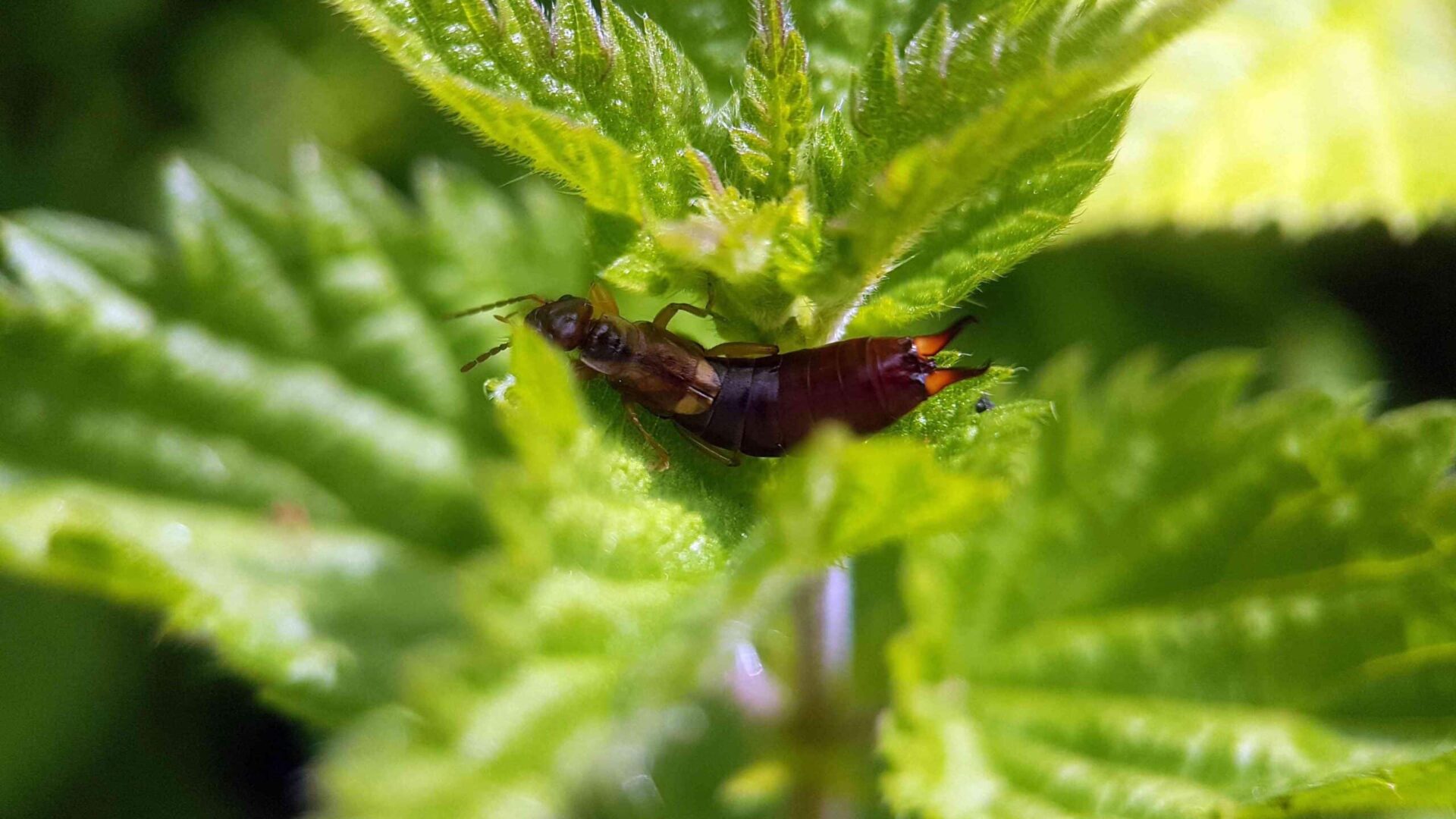
Earwigs belong to the order Dermaptera and are easily recognized by their forceps-like pincers located at the end of their abdomens. Adult earwigs are typically dark brown and measure about half an inch in length. They prefer to hide in small, dark crevices during the day, becoming active at night.
In North Alabama, earwigs are particularly attracted to gardens, basements, and areas with abundant moisture. They do not pose any significant health risks to humans, but their presence can indicate high moisture levels that might attract other pests.
Despite common myths, earwigs do not crawl into people’s ears, but their intimidating appearance can cause concern among homeowners.
Why Are They a Concern?
While earwigs are not dangerous, they can create nuisance infestations in homes by finding their way inside through small cracks and openings. Once indoors, they might damage household plants and organic materials.
They are primarily a concern due to their dietary habits, which include feeding on decaying vegetation and occasionally soft fruits, leading to garden damage. Additionally, their presence may be indicative of underlying moisture issues that could also attract other pests, such as rodents.
Addressing earwig problems is essential not only for maintaining garden health but also for preventing larger infestations that could require professional intervention, much like tackling rodent infestations.

A close-up image of an earwig, a common pest found in gardens and lawns in North Alabama. The earwig's distinctive pincers are clearly visible on the pink surface.
Understanding Earwig Habitats
To effectively manage earwig problems, it’s important to understand their preferred habitats and the factors that attract them. Earwigs thrive in dark, damp environments, making certain areas of homes and gardens particularly prone to infestations.
Common Habitats for Earwigs
Earwigs are primarily found in environments that offer moisture and protection from the elements. Outdoors, they inhabit garden beds, mulch, and under stones or logs. Indoors, they often take refuge in basements, bathrooms, and kitchens.
These insects thrive in areas where moisture is prevalent, which is why it’s common to find them in overwatered gardens or near leaking faucets and drains. Understanding these habitats can be crucial in devising an effective earwig management plan.
Attraction Factors
Several environmental and structural factors make certain places more appealing to earwigs. By addressing these factors, homeowners can reduce the likelihood of an infestation.
- Moist environments: Earwigs are drawn to areas with high humidity, such as basements and bathrooms.
- Decaying organic matter: Piles of leaves, compost, and mulch can provide both food and shelter for earwigs.
- Sheltered areas: Crevices and cracks offer safe hiding spots during the day.
- Seasonal changes: With the onset of wet weather or seasonal shifts, earwigs may seek indoor shelter.
By modifying these attraction factors, such as reducing moisture levels and removing debris, homeowners can significantly lower earwig populations and the potential for infestation.
Preventative Measures for Earwig Infestations
Preventing earwig infestations is the first step in ensuring a pest-free home environment in North Alabama. There are several simple yet effective strategies to deter these pests and maintain a healthy living space.
Physical Barriers
Creating physical barriers is an effective way to keep earwigs away from your home. This can be done by sealing cracks in walls, windows, and foundations to prevent their entry.
Using weather stripping on doors and ensuring window screens fit tightly can also keep these pests out. Additionally, maintaining clean gutters and moving landscape timbers away from the home’s foundation can help minimize their access points.
Moisture Control
Controlling moisture is crucial in mosquito control and earwig prevention alike. Keep your home dry by fixing leaks, using dehumidifiers, and ensuring proper ventilation in moist-prone areas such as basements and attics.
Regularly inspect and repair plumbing issues, and maintain a well-ventilated environment to reduce humidity levels that attract earwigs.
Sealing Entry Points
Strategically sealing entry points can significantly reduce the chance of earwigs entering your home. Check for gaps around doors, windows, and utility pipes, sealing them with weather-resistant caulk.
This method not only keeps earwigs out but also helps prevent other pests from entering your home as well, including fleas, ticks, and insects that thrive in moist environments.
Need Pest Control Now?
Schedule a fast response service to eliminate pests from your home effectively. Your peace of mind is just a call away.
Book My Service
An extreme close-up photograph of an earwig insect, showcasing its distinctive features. Earwigs are a common pest that can be a nuisance for homeowners and lawn care professionals in the North Alabam
Effective Earwig Control Methods
Managing an earwig infestation requires a multi-faceted approach that includes chemical treatments, natural remedies, and professional services. In North Alabama, combining these methods ensures thorough and lasting results.
Chemical Treatments
For severe infestations, chemical treatments can provide immediate control. Insecticides such as pyrethroids can be applied to areas where earwigs are commonly found.
It is crucial to follow the manufacturer’s guidelines closely to ensure safety and effectiveness, especially when applying these products in areas frequently accessed by pets or children.
Additionally, targeting insecticides directly onto potential entry points can enhance their efficiency, preventing further invasions.
Natural Remedies
For those who prefer eco-friendly methods, several natural remedies can help mitigate earwig problems. Diatomaceous earth is a popular choice, as it dehydrates and kills earwigs without chemicals.
Maintaining cleanliness by removing debris and organic material reduces food sources for earwigs. Creating homemade traps using oil and soy sauce can also effectively capture them without harming beneficial insects.
Professional Services
When dealing with persistent infestations, engaging a professional pest control service can ensure comprehensive management. Professionals offer:
- Inspection and assessment: Thorough examination of property to identify infestation levels and vulnerable areas.
- Customized treatment plans: Tailored solutions based on specific home needs and challenges.
- Follow-up services: Continuous monitoring and maintenance to prevent future infestations.
- Monthly or quarterly maintenance: Scheduled visits that ensure ongoing control.
- Emergency treatments: Immediate solutions for unexpected pest problems.
- Safety protocols: Adherence to safety standards to protect inhabitants and the environment.
- Customer support: Ongoing assistance and guidance to homeowners.
These services, which might also handle tasks like centipede control, offer peace of mind and can prevent future issues, including those posed by other common pests such as carpenter ants.
DIY Earwig Control Methods
Many homeowners in North Alabama prefer to tackle earwig issues on their own before considering more intensive measures. While some DIY methods can be effective, it is essential to understand their limitations and best practices to maximize results.
Common DIY Methods
Several homemade strategies can address minor earwig problems. One popular method is the use of homemade traps using materials like oil and soy sauce, which attract and drown earwigs.
Another method includes applying diatomaceous earth along baseboards and entry points. This natural substance works by dehydrating earwigs, protecting your home without using chemicals.
Maintaining a clean environment by removing clutter and organic debris from around the home can also help reduce habitats that attract earwigs.
Limitations of DIY
While DIY methods can temporarily manage earwig issues, they may not address the root cause of infestations. Treating symptoms without eliminating the problem can lead to recurring issues.
DIY treatments often lack the thoroughness of professional interventions, especially in severe cases. Additionally, they typically don’t include the ongoing maintenance required to ensure long-term effectiveness and protection.
For recurring issues, homeowners may benefit from discussing their pest problems with professionals who can also provide insight into related issues, such as rodent control in Alabama.
Importance of Regular Maintenance and Inspections
Routine inspections and consistent maintenance are critical in pest control, particularly in managing earwig populations. Regular checks help catch potential infestations early, providing time to deploy preventive strategies.
Routine Inspections
Conducting regular home inspections is vital in identifying the onset of earwig populations and any related concerns, such as moisture-related issues that attract these pests.
Homeowners should check for new cracks, leaks, and any signs of pest activity. Early detection allows for targeted treatments and diminishes the chance of a full-scale infestation.
Best Practices for Homeowners
Homeowners can play a significant role in pest control by implementing best practices around their property. This includes maintaining clean gutters, ensuring proper drainage, and minimizing mulch and organic debris near the home’s foundation.
Another crucial step is to keep food sources, like trash or spilled pet food, stored securely to prevent attracting earwigs and other moisture-seeking pests like cockroaches.
Engaging Professional Services
Professionals offer additional safeguards, including routine inspections and comprehensive pest management plans. Regular service contracts with pest control firms provide:
– Proactive monitoring to prevent infestations
– Tailored solutions for specific environmental needs
Professional services enhance protection against earwigs and other pests, facilitating a holistic pest-free environment alongside services like centipede control and cockroach management.
Need Pest Control? Get Your Free Assessment!
Reach out to us for a comprehensive pest assessment tailored to your home. Our experienced technicians are ready to help with fast, effective solutions.
The Role of Climate and Environment in Earwig Activity
North Alabama’s climate plays a significant role in influencing earwig populations. Understanding these environmental effects can help in predicting and managing infestations.
Climate Considerations
Various climatic factors contribute to earwig activity, necessitating adaptable pest control strategies tailored to local conditions.
- Humidity levels: High humidity attracts earwigs, making them more active in such conditions.
- Seasonal fluctuations: As temperatures change with seasons, earwigs adjust their activity levels.
- Temperature impacts: Warmer months can cause earwigs to seek cooler, more humid areas like basements.
These factors all influence earwigs’ behavior and habitat, making monitoring climate variations crucial for effective pest management.
Environmental Impact
Environmental conditions, such as natural disasters or human activity, also impact earwig populations. Disturbance of natural habitats can drive earwigs towards urban areas, increasing indoor risks.
By understanding the local ecosystem and its changes, homeowners can anticipate potential pest problems and proactively address them to minimize earwig activity.
Incorporating knowledge of these environmental impacts into pest management strategies helps in developing comprehensive control solutions, which are crucial in reducing other pest issues, such as those managed by stinging pest control services.
Final Recommendations for Sustainable Pest Management
Achieving sustainable pest management involves a combination of monitoring, prevention, and education, ensuring long-term solutions to earwig problems and overall pest control in North Alabama.
Integrated Pest Management
Integrated Pest Management (IPM) provides a comprehensive approach to pest control, emphasizing environmental balance and sustainability.
- Monitoring pests: Regular tracking of pest populations to determine the necessity and timing of interventions.
- Preventive measures: Strategies like moisture control and habitat modification to deter pests.
- Targeted treatments: Specific actions based on monitoring results, ensuring minimal environmental impact.
- Education and awareness: Informing the community about pests, fostering cooperation in control strategies.
- Community engagement: Collaborative efforts between neighborhoods and professionals to manage pests effectively.
- Collaborative pest control efforts: Joint initiatives to create and share resources for pest management.
- Long-term sustainability: Developing strategies that not only address current pest issues but also prevent future problems.
Implementing an IPM program encourages ecological integrity and community involvement, ultimately leading to safer and more sustainable pest control solutions. For a comprehensive approach to pest issues, including mites and rodents, IPM offers a balanced and informed strategy.
Earwig Prevention & Control for North Alabama Homeowners FAQ
Earwigs are attracted to homes by moist conditions, lights at night, and accessible food sources. Minimizing these factors can help deter them from entering your living spaces.
North Alabama pest control strategies focus on altering conditions that attract pests like earwigs, complemented by preventative pest control measures in Huntsville.
Preventing earwigs outside involves reducing moisture levels around your home, keeping vegetation tidy, and sealing entry points. These measures are part of an effective pest management strategy offered by pest control services in Alabama.
Preventative pest control in Huntsville often includes recommendations on maintaining outdoor areas to discourage earwigs and other pests from setting up residence near your home.
Chemical treatments used by eco-friendly pest control services in Huntsville are safe for pets when applied correctly. These treatments are designed to effectively deal with pests without compromising your pets' safety.
Our pest control services in Huntsville use pet safe pest control products and methods that are carefully chosen to ensure a safe environment for all household members.
An earwig invasion can be identified by the frequent sighting of earwigs, especially in damp areas, and the presence of damage to leaves and flowers.
Alabama pest control providers offer expert inspections in North Alabama to confirm earwig presence and suggest preventative pest control measures in Huntsville to manage the problem.
Earwig infestations can be indicated by the presence of live earwigs, noticeable damage to plants, and finding earwigs indoors where they are not typically seen.
Professional pest control services in Alabama can assess the extent of the infestation and apply pet safe pest control measures in Huntsville to manage the situation effectively.
A pest inspection should occur at least once a year to maintain a pest-free environment. However, if you live in a high-risk area or have experienced past infestations, quarterly inspections might be beneficial.
In Alabama, combining preventative pest control services in Huntsville with regular inspections ensures early detection and effective management of potential pest problems.
If you find earwigs in your home, start by reducing excess moisture and securing entry points to prevent more from coming in. Consider contacting Alabama pest control services to address larger infestations effectively.
Professional pest control in North Alabama can tailor a plan to eliminate earwigs from your home, incorporating preventative pest control strategies in Huntsville for long-term results.