Introduction to Mosquito Control in North Alabama
Overview of Mosquito Problems
North Alabama faces significant challenges with mosquito infestations during the warmer months. These pests not only disrupt outdoor activities but also pose serious health risks due to the diseases they can transmit. Understanding the extent of mosquito problems in this region is the first step towards effective control.
The abundance of wetlands and warm climate makes North Alabama a suitable breeding ground for mosquitoes. Residents often notice increased mosquito activity after heavy rainfall or during peak summer months. This increased activity underscores the importance of taking proactive measures for mosquito control.
Efforts in mosquito management involve both personal and community strategies to reduce breeding sites and minimize exposure. This post highlights the different species in North Alabama, the diseases they can carry, and effective methods of control.
Importance of Mosquito Control
Controlling mosquito populations is crucial for safeguarding public health. Mosquitoes are carriers of various life-threatening diseases, making their control a significant concern. Effective mosquito management not only protects individuals but also enhances the quality of life in communities.
Mosquito-borne diseases such as West Nile Virus and Zika pose significant threats to public health. By implementing comprehensive mosquito control measures, residents can reduce the risk of these diseases. It also benefits broader environmental efforts by reducing the impact on wildlife.
Mosquito control in North Alabama involves a combination of preventative measures and responsive treatment strategies. Increased awareness and education about these practices are vital to keep populations in check and minimize health risks.
Local Species Overview
North Alabama hosts a variety of mosquito species, each with unique habits and risks. Common species include the Aedes and Culex mosquitoes, known for their disease-spreading potential. Recognizing these species is a first step in targeting and managing them effectively.
The Aedes species is often found in containers that collect water, making it common in urban settings. Meanwhile, Culex mosquitoes thrive in more rural or suburban environments and are known for their role in spreading diseases like West Nile Virus.
Understanding the behavior and breeding tendencies of local mosquito species can greatly enhance control efforts. Learning about all regional pests complements mosquito management methods.

Mosquito actively biting skin, crucial for pest control strategies.
Identifying Mosquito Species Prevalent in North Alabama
Common Mosquito Species
In North Alabama, mosquitoes like Aedes aegypti and Culex quinquefasciatus are prevalent. These species are particularly notorious for their role in transmitting diseases. Understanding their identification and behavioral patterns is essential in implementing targeted control measures.
Aedes aegypti, often referred to as the ‘yellow fever mosquito’, is widespread in urban environments. It is identified by its white markings on legs and a marking in the form of a lyre on the upper surface of its thorax.
Culex quinquefasciatus, commonly known as the southern house mosquito, is more active at night and prefers warmer temperatures. Effective control starts with identification; proper identification aids in selecting suitable control methods, enhancing overall pest management.
Behavior and Habitats
Mosquitoes in North Alabama exhibit distinct behaviors depending on their species. Aedes mosquitoes are known for their aggressive daytime biting habits, while Culex mosquitoes tend to be more active at dusk and nighttime. These behavioral patterns require diverse management strategies to effectively minimize populations.
The habitats of these mosquitoes vary; Aedes prefer containers and damp areas, while Culex prefer stagnant water pools and ditches. Understanding these habitats can help in identifying potential breeding sites.
Customizing strategies for each species based on behavior enhances the efficiency of pest control methods across the board.
Impact of Climate on Mosquito Activity
Climate plays a significant role in mosquito activity in North Alabama. The warm and humid climate accelerates mosquito breeding cycles and increases their activity. Periods of high humidity and warmth provide ideal conditions for mosquitoes to thrive.
Rainfall, especially during spring and summer, creates optimal breeding habitats through increased water pooling. This necessitates rigorous control measures immediately following heavy rains. By understanding these climatic impacts, residents can prepare better, enhancing the effectiveness of their control practices.
High temperatures shorten the lifecycle of mosquitoes, leading to faster population growth. Therefore, ongoing monitoring and immediate response strategies are crucial for effective termite and mosquito management during these periods.
Understanding Diseases Spread by Mosquitoes
Common Mosquito-Borne Diseases
Mosquitoes in North Alabama are the primary vectors for several serious diseases, including West Nile Virus, Zika, and Dengue fever. Understanding the risks and symptoms associated with these diseases is crucial for effective prevention and management.
West Nile Virus is commonly carried by the Culex mosquito and can cause severe symptoms like encephalitis and meningitis. Although less common, Zika virus is primarily transmitted by Aedes mosquitoes and can have significant health consequences.
Early identification of mosquito-borne diseases starts with awareness, which is crucial in reducing potential outbreaks and protecting public health.
Symptoms and Prevention
Mosquito-borne diseases often present with flu-like symptoms, including fever, joint pains, and tiredness. More severe cases can result in neurologic complications. Understanding these symptoms and seeking prompt medical care can alleviate severe health outcomes.
Prevention strategies focus on minimizing exposure and removing mosquito breeding habitats. Using mosquito repellents and wearing protective clothing further moderate the risk of exposure during peak mosquito activity periods.
Raising awareness about symptoms and preventative measures through community programs can go a long way in controlling mosquito-borne diseases. For comprehensive pest control, you may explore other control options available in Alabama.
Importance of Mosquito Control
Efficient mosquito control is pivotal in managing the spread of diseases these pests carry. Minimizing mosquito populations reduces disease incidence and supports public health initiatives. Effective control requires a combination of vigilance, prevention, and prompt response to rising mosquito numbers.
Mosquito control efforts in North Alabama can benefit from coordinated strategies, such as public education, community mosquito reduction efforts, and professional pest management services. These collective actions help shield the community from mosquito-related health threats.
As mosquito-borne diseases continue to be a public health concern, strengthening measures against these pests is paramount. Residents are encouraged to stay informed and proactive in implementing control measures across different pests.
Need Pest Control Now?
Schedule a fast response service to eliminate pests from your home effectively. Your peace of mind is just a call away.
Book My ServiceEliminating Mosquito Breeding Sites
Key Strategies
Effective mosquito control in North Alabama begins with the elimination of breeding sites. By targeting the breeding grounds, you can significantly reduce mosquito populations and mitigate the diseases they spread. Here are crucial strategies to implement:
- Remove standing water: Eliminate any standing water around homes, including puddles and water in objects like plant saucers.
- Maintain clear gutters: Regularly clean gutters to prevent water buildup that can attract mosquitoes.
- Use mosquito repellent plants: Planting citronella or lavender can naturally repel mosquitoes from your yard.
- Regularly change bird bath water: Change water weekly to prevent mosquito breeding.
- Use larvicides in stagnant water: Apply larvicides to water that can’t be drained to kill larvae.
These strategies are foundational to reducing mosquito numbers and should be practiced consistently. By addressing the breeding sites, the impact on adult mosquito populations can be mitigated.
Identifying Breeding Areas
Effective mosquito control relies on knowing where they breed. Common breeding areas include stagnant water bodies, marshes, and even small containers. In urban areas, clogged drains and potted plants are frequent breeding sites.
Conduct regular inspections around your property to identify problem spots. Consistent monitoring and maintenance help in long-term control and prevention of mosquito populations.
Community involvement plays a significant role. By engaging in neighborhood clean-ups and awareness campaigns, the overall impact of mosquito management can be increased, protecting more residents from these pests.
Community Efforts
Collaborative community efforts increase the success rate of mosquito control initiatives. Shared responsibilities and organized actions can lead to a significant decrease in mosquito populations.
Community initiatives include organized cleanup activities, mosquito-monitoring clubs, and educational workshops. These programs not only reduce mosquitoes but also foster public health and safety awareness.
For coordinated efforts across varying pest control needs, communities can explore local resources such as fly control services.
Effective Treatment Options for Mosquito Control
Chemical Treatments
Mosquito control often involves the application of chemical treatments to effectively reduce populations. These treatments can be applied to both larval and adult stages of mosquitoes and are available in various forms such as sprays and fogs.
Professional pest control services frequently use chemical solutions, including pyrethrins and synthetic pyrethroids, due to their effectiveness. Applying chemical control methods should be strategic to ensure long-term effectiveness and minimize environmental impact.
Residents are advised to consult pest control professionals for tailored chemical treatments that best suit their property and pest control needs. When considering alternatives, exploring centipede control methods may be worth for comprehensive pest management.
Natural Alternatives
While chemical treatments are effective, natural alternatives provide environmentally friendly mosquito control. These alternatives can be part of an integrated pest management strategy.
Popular natural solutions include:
- Essential oils: Oils like citronella and eucalyptus can be applied to repel mosquitoes naturally.
- Garlic spray: An organic method that creates a barrier mosquitoes avoid.
- Neem oil: Both a repellent and a larvicide, effective in controlling mosquito populations.
- Bio-friendly traps: Traps that lure and kill mosquitoes without harmful chemicals.
The use of natural solutions is part of a holistic approach to mosquito control that minimizes health risks and environmental damage.
Professional Services vs. DIY
Choosing between professional services and DIY approaches depends largely on infestation severity and personal capacity. Professional services offer expertise and specialized equipment for comprehensive solutions.
DIY methods, while effective for minor issues, may not suffice in severe cases. They involve treatments like citronella candles and personal repellents. A combination of professional treatments and DIY measures often provides the best results for prolonged effectiveness.
For more extensive solutions, residents should consider professional pest management services that can provide guidance and effective moth control techniques as part of comprehensive pest strategies.
Seasonal Considerations for Mosquito Management
Understanding Mosquito Seasons
Mosquito activity in North Alabama is highly seasonal, with the peak occurring in the warmer months. Seasonal awareness is vital in planning and executing effective mosquito control measures.
- Early spring preparations: Start control measures early to address breeding grounds before populations grow.
- Summer peak activity: Implement intensive control methods, as mosquito numbers are highest.
- Fall prevention measures: Continue monitoring and clearing potential breeding sites to reduce overwintering populations.
- Cold weather impact: Colder temperatures slow mosquito life cycles, but vigilance is still necessary.
- Year-round monitoring: Maintain consistent checks and preventative measures regardless of season.
Understanding these seasonal patterns aids in preparing timely interventions and maintaining low mosquito populations throughout the year.
Community Awareness Programs
Community-based programs play a significant role in raising awareness about effective mosquito management. These programs provide valuable information about mosquito biology, disease risks, and management strategies.
Community workshops and educational campaigns prepare residents in managing mosquito populations effectively. Collaboration with local health departments can enhance these efforts by providing expert guidance and resources.
Active involvement in these programs ensures that community prevention strategies are well-informed and widely practiced. Enhancing community awareness of mosquito management can also complement control measures for other seasonal pests.
Best Practices for Personal Protection Against Mosquitoes
Protective Measures
Protecting yourself from mosquito bites involves both personal practices and environmental adjustments. Effective protection measures can significantly reduce the risk of mosquito-borne diseases.
- Wear long-sleeved clothing: Covering skin reduces the likelihood of mosquito bites.
- Use EPA-approved repellents: These formulations are scientifically tested for safety and effectiveness in preventing bites.
- Install screens on windows: Screens can keep mosquitoes out while allowing airflow.
- Avoid peak mosquito hours: Stay indoors during dawn and dusk whenever possible.
- Educate family members: Ensure that everyone in the household is aware of and practices effective protection measures.
- Keep grass trimmed: Maintaining your yard helps eliminate mosquito habitats.
- Use mosquito nets: Particularly useful during sleep to prevent bites.
- Stay informed on local outbreaks: Awareness helps in taking proactive measures.
These strategies, incorporating both personal and environmental practices, are essential for comprehensive mosquito protection.
Community Involvement
Engaging in community-driven mosquito management efforts enhances individual protection. Local initiatives can provide additional resources and collective strategies for mosquito control.
Participating in neighborhood watch programs or local county health initiatives encourages proactive measures against mosquitoes. Collective efforts ensure broader impact and effectiveness.
Community involvement is crucial; collaborating with local pest control services, such as centipede control strategies, extends the scope of pest management beyond individual efforts.
Educating Others
Sharing knowledge about mosquito control and personal protection strengthens community defense against mosquito-borne illnesses. By educating others, you contribute to a collective approach in minimizing risk and enhancing public health.
Creating awareness among peers about protective measures and control strategies encourages widespread implementation, leading to comprehensive mosquito management.
Discussions, community meetings, and social media platforms are effective in disseminating crucial information, encouraging widespread understanding and action. Such community-driven education can further be supported by resources on other pest control techniques.
Conclusion and Call to Action for Mosquito Control
Summary of Key Points
Mosquito control in North Alabama is a multi-faceted challenge that requires awareness and action. Understanding local mosquito species, their associated diseases, and effective control methods are crucial in managing populations.
The importance of eliminating breeding sites, applying effective treatments, and engaging in community efforts cannot be overstated. Mosquito control not only improves quality of life but also significantly reduces health risks.
This comprehensive approach, combining personal protection and collective community efforts, is essential for successful mosquito management in the region.
Your Role in Prevention
As a resident, your role in mosquito control is vital. By implementing preventative strategies, you actively contribute to reducing mosquito numbers in your community. Educate yourself, participate in local control programs, and consistently apply control methods to keep mosquito populations in check.
Your commitment makes a difference. With dedicated efforts in prevention and control, the risks associated with mosquito presence can be significantly reduced.
Contact Information for Services
If you require professional assistance or have questions regarding mosquito control measures, consider reaching out to local pest control experts. They offer resources and tailored treatments suited to your specific needs.
Getting in touch with professionals ensures comprehensive solutions that are effective and safe. Explore available pest control services for more detailed guidance and support.
Next Steps
To enhance your efforts in mosquito control, consider these steps:
- Schedule a mosquito inspection: Regular inspections identify potential risk areas and allow for timely interventions.
- Join local control programs: Engage in organized community efforts for broader impact.
- Follow up on treatment plans: Ensure all recommended measures are followed and adjusted as necessary.
- Participate in community clean-ups: Removing debris and water sources reduces available breeding grounds.
- Spread the word about prevention: Educate others to amplify collective efforts in mosquito management.
Together, these steps bolster a structured approach to effective mosquito control, further complemented by resources such as professional control services.
Mosquito Control in North Alabama: Species, Diseases & Effective Treatment FAQ
Several effective mosquito repellents include DEET-based products, picaridin, oil of lemon eucalyptus, and certain natural solutions like citronella. These repellents offer varying degrees of protection and can be chosen based on personal preference.
For enhanced protection, consider incorporating these with mosquito control Huntsville services. Guardian Pest offers expert advice on comprehensive mosquito management plans tailored to your home.
Recognizing a mosquito problem often includes noticing an increase in mosquito bites, hearing persistent buzzing sounds inside or near your home, and seeing mosquitoes primarily at dawn or dusk.
Should you identify these signs, contacting mosquito control Huntsville experts can help diagnose and implement appropriate mosquito treatment Huntsville strategies to promptly address the issue.
The best time to treat for mosquitoes is at the beginning of the mosquito season when temperatures start consistently rising, and mosquito breeding begins. Early intervention helps control populations before they can peak.
Guardian Pest offers mosquito treatment Huntsville services that strategically plan treatments to coincide with these optimal times, ensuring effective management throughout the season.
Yes, professional treatments like those provided by Guardian Pest are highly effective for controlling mosquitoes. Our mosquito control Huntsville services are tailored to address both adult mosquitoes and larvae, disrupting their life cycle.
Using a combination of targeted sprays and larvicidal treatments, we achieve significant reductions in mosquito populations, providing your home with long-lasting protection.
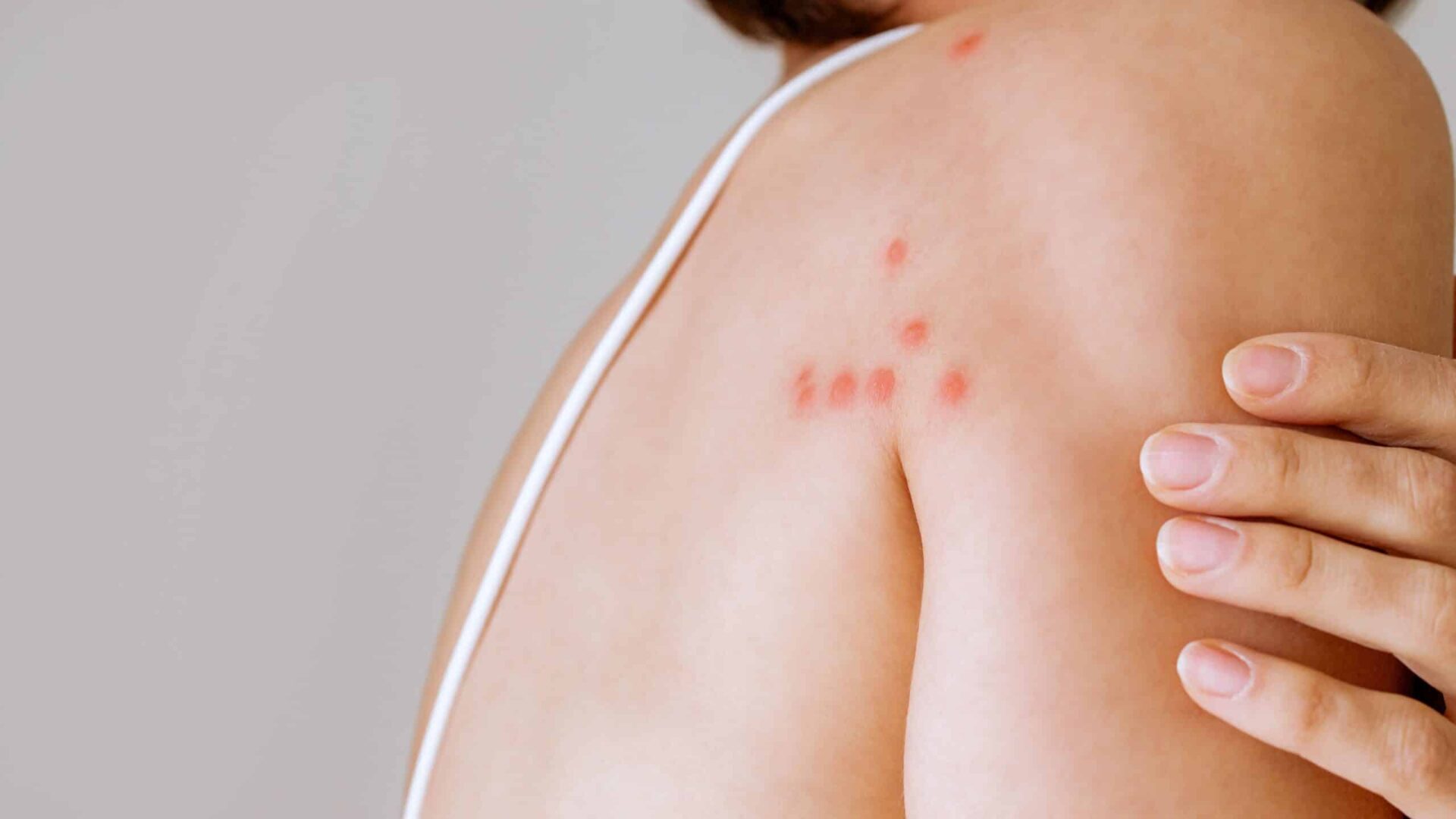
If you get bitten by a mosquito, wash the affected area with soap and water to reduce the risk of infection. Applying ice or lotion can also help reduce swelling and itching.
For prevention, consider enlisting mosquito control Huntsville services to reduce mosquito activity around your home, making it less likely to encounter bites in the future.