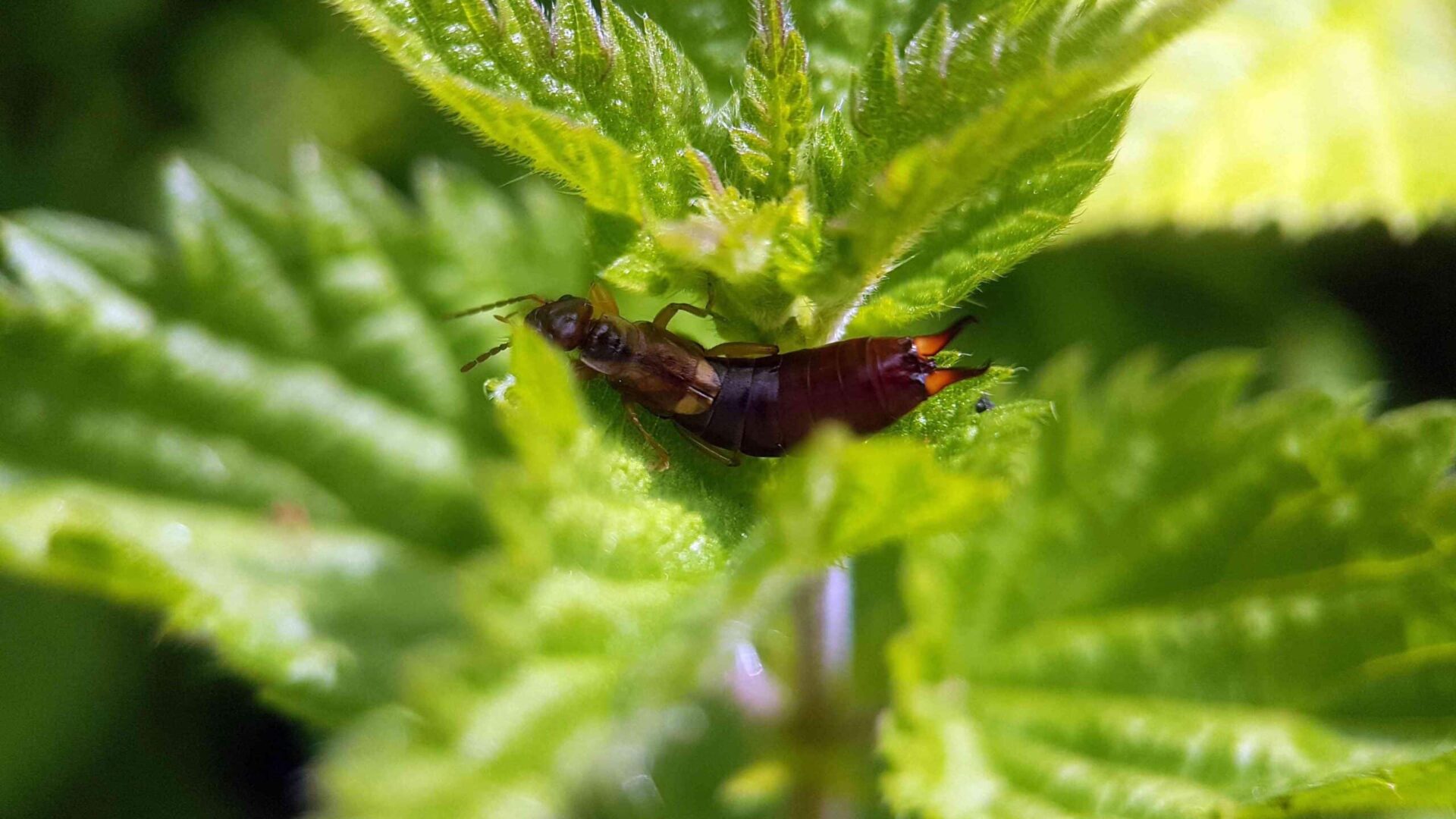
Introduction to Spring Termite Swarming in North Alabama
As temperatures begin to rise in North Alabama, so does the activity of spring termites. Recognizing the onset of termite swarming season is crucial for homeowners aiming to protect their properties. In North Alabama, termites become particularly active during spring, making it an essential time for vigilance and prevention.
Understanding Termite Swarming
Termite swarming is the process where mature colonies release winged reproductive swarmers, ready to establish new colonies. During spring, these swarmers take to the air in large numbers, a phenomenon driven primarily by warm and humid conditions. Recognizing the signs of swarming can help in early detection and management of potential infestations.
It’s essential to note that swarming is a natural event, which indicates a potentially active infestation nearby. Homeowners should observe any signs inside or around their homes this season.
Identifying Swarmers
Swarmers are often mistaken for flying ants, but there are distinct differences. Winged termites have straight antennae, uniform wings, and a broad waist, unlike ants which have elbowed antennae, unequal wing sizes, and a slender waist. Knowing these distinctions is vital for accurate identification and timely response.
Spotting these pests early can prevent extensive damage, making routine checks during swarming season integral.
Why Timing Matters
The timing of termite swarming in spring is not just a chance event; it’s a signal. This period marks active colony expansion, and being watchful during this time can significantly reduce risks. Homeowners should align their termite inspections with this natural schedule, ensuring they catch infestations before they escalate.
Summer pest control strategies can also benefit from early spring evaluations, setting the stage for proactive measures year-round.

This image shows severe termite damage to a wooden surface, with tunnels and degradation of the wood structure. This is a common issue for homeowners in North Alabama that requires professional pest c
Indicators of Termite Swarming Activity
Identifying signs of termite activity early can save homeowners from significant structural damage. By knowing what to look for, property owners in North Alabama can act swiftly to mitigate risks associated with termite infestations.
Signs You Might Have Termites
Termite infestations often go unnoticed until serious damage occurs. Key indicators include visible damage to wood, such as hollow-sounding timber, and bubbling or cracked paint on surfaces. Noticing any of these can imply termites are actively consuming wood inside your home.
Other signs include termite droppings or mud tubes encasing sections of the foundation or walls, which are used by termites to maintain moisture while traveling.
Common Swarming Indicators
During the swarming season, there are specific signs that can alert you to termite activity:
- Visible flying swarmers: These are the winged adults responsible for starting new colonies.
- Shed wings around entry points: Often found in window sills or attics, indicating swarmers have entered your home.
- Mud tubes on exterior walls: Used by termites to travel and maintain moisture, these are a clear sign of an infestation.
Monitoring Your Property
Regular monitoring and inspections are essential, especially during the high activity mosquito season in Alabama. Consider partnering with professionals providing year-round pest control to catch any signs of termites early.
Consistency is key in preventing severe damage; thus, a regular schedule of property assessment can help maintain a termite-free home.
Discussing the Appropriate Timing for Inspections
Proper timing for termite inspections is crucial to detect signs of an infestation early. Understanding when and how termites behave can help in planning effective inspections and subsequent treatments.
Understanding Seasonal Patterns
Termites follow a seasonal rhythm that affects their activity levels. In North Alabama, these patterns are heavily influenced by seasonal temperatures and rainfall. Spring marks an increase in termite activity, which continues into the warm summer months.
Recognizing these patterns can help homeowners plan strategically for their preemptive inspections and treatments, avoiding unexpected infestations.
Optimal Inspection Timing
For effective termite management, scheduling inspections early in the spring is advisable. This timing aligns with swarmers’ emergence, making it the ideal period to detect any new infestation attempts. Pursuing a free pest inspection as spring begins ensures that any evidence of termites is spotted promptly.
Routine spring inspections can serve as a preventive step, helping catch new colonies before they establish.
Local Weather Influence
In North Alabama, seasonal weather, particularly periods of rain, can influence termite behavior. These conditions provide ideal moisture levels for termites, enhancing their breeding activities. Understanding weather trends can help refine the timing of residential pest control efforts during the swarming season.
Those prepared for these variations can take prompt, effective action, keeping their properties safe from potential infestations.
What to Do If You Suspect a Termite Infestation
If signs point to a potential termite infestation, acting quickly and efficiently is paramount. Early intervention can prevent further damage and reduce remediation costs.
Immediate Actions to Take
Upon suspecting an infestation, avoid disturbing the termites or their habitats, as this could cause them to move to less accessible areas. Instead, note any visible signs and document them as accurately as possible to provide helpful information to pest control professionals.
Being prepared with observations can expedite assessment and treatment, ensuring effective control measures are applied swiftly.
Contacting Professionals
Reaching out to pest control services soon after suspicion can safeguard your home. Professionals use proven methodologies to assess, treat, and monitor termite activity effectively.
Contacting local experts guarantees a thorough inspection and personalized termite control plan to fit your home’s needs.
Preventative Measures
Besides professional intervention, homeowners can adopt preventative measures to reinforce protection against termites. These include maintaining a dry environment by fixing leaks and ensuring proper drainage around the foundation.
Engaging in regular maintenance, like clearing away potential food sources, can also provide added security, supporting long-term termite prevention strategies.
Long-term Strategies for Termite Prevention
Adopting a comprehensive, long-term approach to termite prevention can significantly reduce the likelihood of costly infestations. Homeowners in North Alabama can employ a variety of preventive methods to keep their properties safeguarded year-round.
Seal Entry Points
One of the most effective strategies is thoroughly sealing entry points that termites might use. This process involves inspecting and improving areas around windows, doors, and utility conduits where termites can gain access.
Timely sealing can prevent swarming termites from entering and establishing colonies within the home.
Preventative Measures
Implementing preventative measures is key to sustaining effective termite control:
- Use barriers during construction: Physical barriers like metal screens can deter termites.
- Regular inspections: Schedule consistent professional inspections to catch early signs of termite activity.
- Proper drainage management: Ensure water doesn’t collect around the foundation.
- Maintain landscaping away from structures: Keep plants and mulch from making contact with building walls.
- Limit wood-to-soil contact: Use concrete or metal to separate building materials from soil.
- Use treated wood: Incorporating treated timber can help prevent infestations.
- Consider baiting systems: Install termite baits to monitor and control termites.
- Schedule annual termiticides application: Professional-grade treatments can act as a strong deterrent.
Such comprehensive methods lay a robust foundation for long-term protection against termites.
Professional Termite Control Services Overview
Professional termite control services play a crucial role in managing and preventing termite infestations. Homeowners in North Alabama can choose from a variety of services tailored to their specific needs.
Types of Treatments Available
Professionals offer several treatment options, each suited to different circumstances, including liquid treatments that provide a chemical barrier around a property and baiting systems that eliminate colonies through targeted placement.
Homeowners should evaluate their particular circumstances, such as landscaping and property size, when choosing a treatment.
Choosing the Right Service
When selecting a solution, consider factors like the severity of infestation, environmental impact, and cost. Reputable services will offer a tailored plan addressing the unique needs of each situation.
Partnering with experienced pest control experts provides peace of mind through effective termite management strategies.
Cost Considerations
While the cost of termite control varies, investing in prevention today can save significant expenses in future repairs. Compare services to find a balance between affordability and quality, ensuring comprehensive protection for your home.
Engaging in regular professional assessments can optimize costs, keeping homes protected efficiently.
Say Goodbye to Pests Today!
Don't let pests take over your space. Contact Guardian Pest for a professional inspection and tailored pest control solutions that keep your home safe.
Schedule My InspectionUnderstanding Termite Lifecycle and Habits
To effectively manage termite populations, it’s important to understand their lifecycle and behaviors, particularly in North Alabama. Such knowledge can guide preventive and reactive strategies to safeguard properties from termite damage.
Lifecycle of Termites
The termite lifecycle includes several stages: egg, nymph (young termite), reproductive adult, and worker or soldier caste. Each stage plays a role in colony development and expansion, which continues throughout the year.
Understanding these stages helps in identifying key intervention points for control measures.
Habitat Preferences
Termites favor environments with ample moisture and secure hiding spots, often seeking out damp wood or places with high humidity levels. In Alabama, structures near wooded areas or with inadequate drainage can be particularly vulnerable.
By addressing these environmental factors, homeowners can make their properties less inviting to termites.
Seasonal Behavior of Termites
The behavior of termites varies depending on the season:
- Swarming in spring: This is the peak time for swarmers to emerge and establish new colonies.
- Colony establishment: Once swarmers mate, they start new colonies, primarily during warm, humid months.
- Feeding habits: Termites consume cellulose found in wood, which leads to structural damage if unchecked.
- Breeding cycles: Termites undergo several breeding cycles throughout the year, expanding their numbers.
- Effects of climate on behavior: Warmer climates can accelerate reproductive cycles, leading to quicker colony growth.
- Interactions with other pests: Termites can co-exist with other pests, complicating control efforts.
With a clear understanding of these behaviors, homeowners can better prepare and respond to potential termite threats, making informed decisions on pest control strategies.
Resources for Further Information on Termite Control
To effectively manage termite problems, homeowners should be aware of the resources available for help and guidance. North Alabama has various local and online resources that provide valuable insights into pest control and maintenance.
Local Resources
Homeowners are encouraged to engage with local pest control companies that offer consultations and tailored service plans. Additionally, government and private agencies provide valuable information specific to Alabama’s unique climate and termite risks.
Connecting with these resources can equip property owners with practical, tested strategies for termite prevention and control.
Online Guides
Several online platforms provide comprehensive guides and up-to-date information on termite control methods, tools, and industry developments. These guides cover various topics from DIY measures to professional service evaluations, ensuring informed decision-making.
Useful Associations
Valuable insights are also accessible through industry and consumer associations:
- National Pest Management Association: Offers educational resources and best practices for termite control.
- State Pest Control Association: Provides local insights and resources specific to Alabama.
- Local extension services: Accessible information for residents on managing local pest issues.
- University research departments: Conduct studies and publish findings on pest behaviors and effective treatments.
- Consumer advocacy groups: Help with identifying reputable termite control services.
- Environmental protection agencies: Provide guidelines on environmentally safe pest control tactics.
Utilizing these associations helps homeowners remain informed and prepared, ensuring their properties are protected effectively against termites.
Spring Termite Swarms in North Alabama: What to Watch For FAQ
If you see flying termites, also known as swarmers, it is crucial to act quickly. These termites are a sign that a colony is mature and looking to expand. Attempt to capture a sample and contact Alabama pest control professionals for advice.
Our expert exterminators can assess the situation and provide the necessary termite control treatments to prevent an infestation. Early intervention is the best way to protect your property from substantial damage.
Preventing termites in your home involves several proactive measures. Ensure all wooden elements are kept dry and use treated wood for any construction. Properly sealing gaps and maintaining your home's foundation is also key.
Regular inspections by an Alabama pest control service can help identify and mitigate risks before termites become a problem. Partnering with a reliable pest management service ensures your home remains termite-free year-round.
In Alabama, termite activity is generally higher from March through June, making it an ideal time to schedule a termite inspection. During this period, termites are more likely to swarm, which could lead to new infestations.
Having a proactive approach with services like those offered by Monte Sano pest control can protect your home effectively. Regular termite inspections and maintenance from termite control professionals in Huntsville, AL, can prevent costly damages.
The most effective termite treatment typically involves liquid termite treatments that create a chemical barrier in the soil surrounding your home. In Huntsville, these treatments are recommended for their ability to provide long-lasting protection against termites.
The best time for a termite inspection in Huntsville is during the spring, when termites are most active. Regular inspections paired with professional termite control in Huntsville, AL, will help safeguard your home from potential damages.
Recognizing the signs of termites is crucial for early intervention and termite control. Common indicators in Huntsville include the presence of mud tubes on walls, hollow-sounding wood, discarded wings, and wood that is damaged or blistering.
To protect your property, consider a termite bond in Huntsville. This agreement not only ensures routine inspections but also provides pest control services to address any infestations. If you suspect termite activity, our comprehensive termite control services in Huntsville, AL, are here to help.