In North Alabama, the presence of stinging pests like wasps, hornets, and bees affects the local environment significantly. Each of these insects plays a crucial role in the ecosystem by pollinating plants and controlling other insect populations. However, their stings can cause discomfort and allergic reactions, making them a concern for residents.
Wasps in particular are known for their aggressive nature and their ability to sting multiple times, which can be particularly dangerous for individuals allergic to their venom. Hornets, larger than most wasps, can be even more aggressive, making stinging pest control essential for safety. Bees, while generally less aggressive, will defend their hives fiercely if they feel threatened.
Risks Associated with Stings
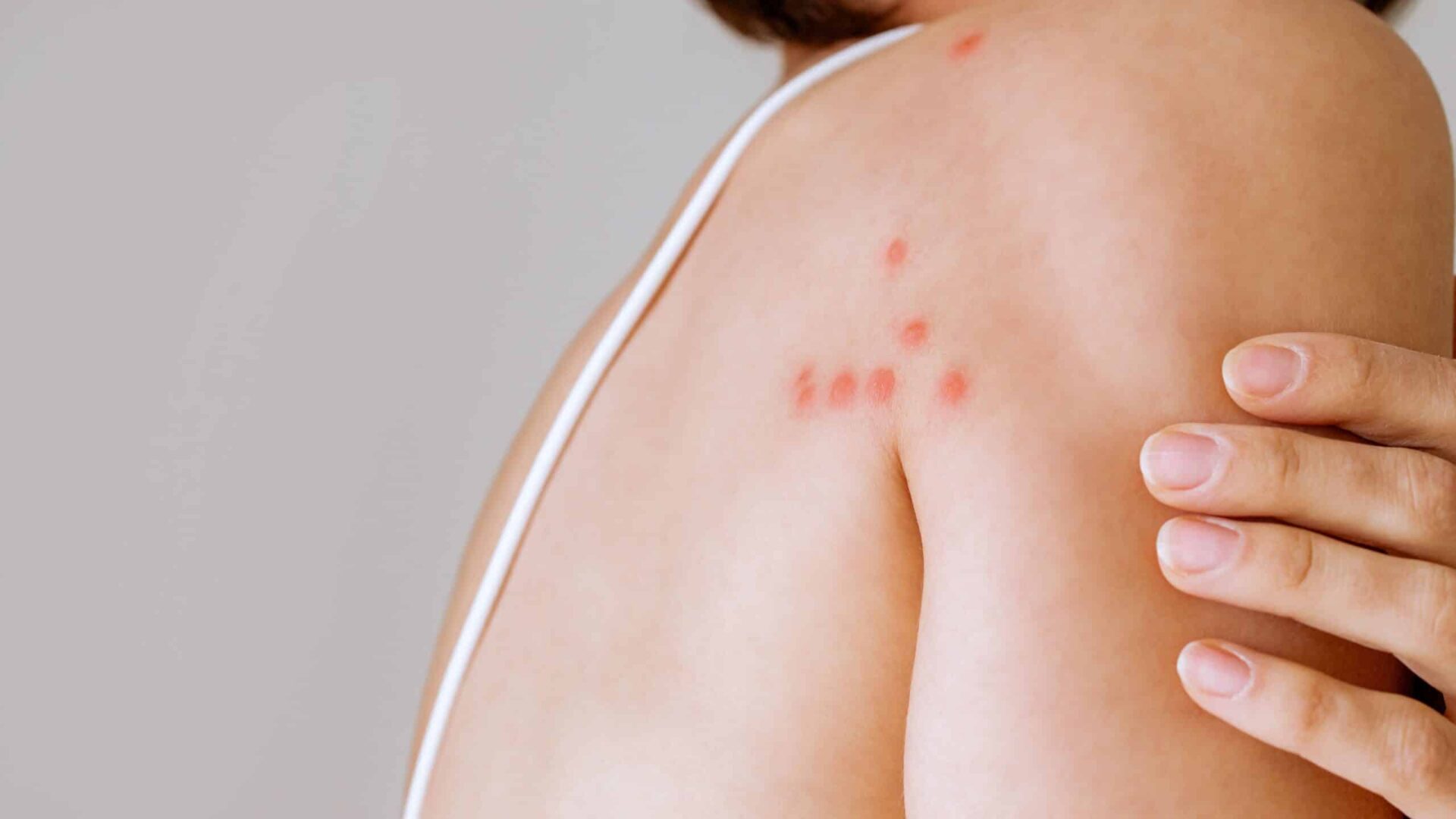
The risks associated with stinging insect attacks range from minor irritation to severe allergic reactions. For those sensitive to insect venom, a single sting can lead to anaphylaxis, a potentially life-threatening condition. It is important to know the difference between wasps, hornets, and bees, as each species may require different approaches when dealing with infestations.
In cases where nests are located near residential areas, immediate intervention from bee control services is vital to prevent accidental encounters. Those involved in outdoor activities should remain cautious and avoid areas where stinging pests are commonly found.
If a reaction to a sting occurs, seeking medical attention is advisable to avoid complications. Treatments might include antihistamines and emergency therapy for severe reactions. Being informed about these risks helps in preventing accidents and ensuring appropriate action is taken when needed.
Identifying Stinging Insects
Effective identification is critical in stinging pest control efforts. Wasps usually have a slender body with a narrow waist and are brightly colored. Hornets, larger and more robust, might appear less colorful but are still identifiable by their size and behavior. They build aerial nests, which are often a giveaway to their presence.
Bees, in contrast, have a more rounded body and are covered in fine hair. They are vital pollinators and less aggressive than other stinging pests. Bees are often found in gardens and areas with abundant flowers. Observing these characteristics allows homeowners and professionals to determine the best pest management strategies.

A close-up image of a tick, a common pest found in North Alabama that can transmit diseases like Lyme disease to people and pets. Proper tick control and removal is important for protecting health and
Preventive Measures
Preventing encounters with stinging pests in North Alabama starts with understanding and implementing key proactive strategies. Regular home inspections for nests and maintaining clean surroundings can significantly reduce the attraction of these pests. Limiting access by sealing entry points, such as windows and doors, is also effective.
Additionally, homeowners can minimize attractants by keeping sweet foods and drinks covered when outdoors. Consultation with professionals for periodic pest assessments can help address any brewing issues before they escalate. This is especially important during warmer months when stinging pest activity peaks.
When to Call Professionals
There are specific scenarios where calling a professional for pest control assistance is crucial:
- Nests located near homes:Immediate removal is recommended to ensure the safety of residents.
- Allergic reactions to stings:Individuals with known allergies should not risk self-treatment.
- Signs of multiple pests:A professional can determine the extent of the infestation.
- Persistent pest problems:Suggests that simple preventive measures are insufficient.
- Inaccessible nests:Require the tools and skills of a professional for safe removal.
- Safety concerns:If tackling the problem might pose a personal risk.
In such cases, professionals can provide guaranteed results and advice on long-term pest control measures.
Emergency Contact Procedures
In emergency situations such as severe allergic reactions from stings, immediate medical attention is paramount. Having a plan in place for such emergencies can save lives. This includes knowing the fastest route to a hospital and having emergency numbers readily available.
Educating family members about the symptoms of severe reactions is equally important. Proactive measures, such as having an epinephrine injector for those who are allergic, can provide an essential first defense against serious reactions. It’s beneficial to discuss with a healthcare provider about the best personnel to contact during health emergencies related to stings.
Recognizing Different Species
The ability to differentiate between wasps, hornets, and bees is vital for appropriate stinging pest management. Wasps are commonly yellow with black markings and possess a smooth, slender body. Hornets are generally larger with a robust physique, while bees appear fuzzier and possess a rounder body structure.
Understanding these differences can assist homeowners in taking the correct measures. Observing the behavior of these insects can also provide clues; aggressive tendencies and nesting habits typically vary across species. Engaging with professionals who specialize in insect identification further ensures accuracy in classification.
Understanding Their Behavior
Examining stinging insect behavior can provide insights into the potential risks they pose. Wasps are known for their territorial behavior and can become aggressive when threatened. Hornets similarly protect their nests vociferously, often attacking perceived intruders. Bees, though less aggressive, require cautious interaction around their hives.
By understanding these behavioral patterns, individuals can avoid unnecessary stings. For example, avoiding fast movements near nests can minimize aggressive responses from these insects. Qualified personnel can further assist in identifying such behaviors to tailor adequate responses. Educating the community about these tendencies amplifies public awareness and safety.
Avoiding Stings
To reduce sting incidents, it is recommended to dress appropriately, like wearing light-colored clothing that doesn’t attract the insects. Avoid using scented lotions and deodorants that may attract these pests. Awareness of surroundings, especially when outdoors, reduces the likelihood of disturbing a nest.
Using common sense, such as not swatting at bees or wasps, can also prevent provoking them. If in proximity to a nest, remaining as calm as possible and retreating slowly is advisable. Combining these methods with regular property inspections for nests ensures better pest management measures.

This image shows severe termite damage to a wooden surface, with tunnels and degradation of the wood structure. This is a common issue for homeowners in North Alabama that requires professional pest c
Immediate Treatment for Stings
The first step in managing a sting is to move away from the area to avoid further attacks. Removing any remaining stinger, especially from bee stings, will prevent additional venom from entering the skin. Washing the affected area with soap and water followed by applying a cold pack can reduce swelling and discomfort.
For those experiencing mild reactions, over-the-counter pain relievers such as ibuprofen can help alleviate pain. In case of severe reactions, medical attention is crucial to receive the necessary treatment promptly. It’s important to understand when medical intervention is necessary.
Professional Removal Services
When facing an infestation, seeking professional services is often the safest option. These services offer:
- Inspection and assessment:Evaluating the severity of the pest problem and identifying nest locations.
- Safe removal techniques:Utilizing industry-standard methods to deal with nests efficiently.
- Pest control solutions:Implementing measures to prevent future infestations.
- Post-treatment monitoring:Regular follow-ups to ensure the issue has been resolved.
- Long-term preventive measures:Advice on maintaining a pest-free environment.
- Customer testimonials:Providing assurance through shared experiences of successfully addressed pest issues.
Such professional help ensures peace of mind for homeowners regarding pest-related concerns.
DIY Removal Precautions
If considering a DIY approach, exercise extreme caution. Due to the aggressive nature of these pests, improper handling can result in stings or pest dispersal to additional locations on your property. Wearing protective gear and understanding the specific pest species is imperative before any attempts at nest removal.
Before attempting any removal, understanding municipal or state regulations is necessary to avoid legal issues. Engage with local pest control services for advice, ensuring that all actions taken are within safety limits and best practices are followed for effective removal.
Final Thoughts
Managing stinging pests requires a combination of vigilance and informed action. Appreciating the ecological roles of wasps, hornets, and bees while mitigating their potential dangers ensures a balanced coexistence. Residents in North Alabama should prioritize knowledge and preparedness to effectively handle any pest-related issues they encounter.
Whether through preventive measures or timely professional intervention, being proactive about pest prevention helps avoid disruptions. This approach aids in maintaining a safe, comfortable environment at home.
Recap of Safety Tips
Adhering to essential safety measures is crucial in preventing stinging incidents. This includes identifying pests accurately, taking preventive steps to avoid attracting them, and knowing when to seek professional removal services. Educating family members on emergency response tactics can further ensure everyone’s safety should a pest issue arise.
Community involvement enhances knowledge sharing and preparedness against pest threats. This collective effort helps mitigate risks and promotes effective pest management strategies across the region.
Encouragement to Seek Help
While it may be tempting to address pest issues independently, professional pest control services offer unrivaled expertise and efficiency. Their comprehensive approach ensures that nests are safely and effectively removed, reducing the risk of future infestations.
Connecting with local professionals not only offers solutions to immediate concerns but also provides ongoing support and advice.

Image of a live paper wasp nest, common pest in North Alabama, focus on pest control solutions.
Long-Term Prevention Strategies
Ensuring stinging pests stay away from residential areas involves implementing long-term prevention methods. Regularly inspecting proprieties during the spring and summer months helps detect early signs of nesting activities. Using materials like wasp deterrents around paper bags or hanging fake nests in strategic locations can discourage wasps and hornets from settling.
Additionally, focusing on sealing cracks and openings can prevent pests from entering homes, where they may seek shelter or nesting sites. Consistent monitoring and maintenance are key to successful prevention strategies in the long run.
Community Involvement
Collaborative efforts can amplify the effectiveness of pest control strategies. Consider participating in:
- Neighborhood watch programs:Encouraging vigilance and early reporting of pest activities.
- Public awareness campaigns:Educating communities about prevention measures and how to identify pest threats early.
- School safety programs:Teaching children about safe interactions with stinging pests.
- Local pest control partnerships:Fostering relationships for quick access to professional services if needed.
- Shared resources for pest management:Pooling resources to implement effective neighborhood-wide solutions.
- Community clean-up efforts:Maintaining cleanliness to reduce attractants.
These efforts enhance individual safety and promote strong, pest-aware communities.
Personal Safety Protocols
Adhering to individual safety protocols is vital when dealing with stinging pests. Understanding personal limits and recognizing when a task requires professional intervention can prevent accidents. Keeping calm and assessing situations rationally serves as a personal safeguard, maintaining both safety and peace of mind.
Consider learning more about comprehensive pest management and coordinating with agencies for up-to-date information. Staying informed empowers individuals to better protect themselves and their communities effectively, keeping stinging pest issues at bay.
Emergency Pest Issue?
Our team is ready to tackle urgent pest problems 24/7. Don’t put your safety at risk, contact us now!
Get Help Fast