Overview of Pest Challenges on Decatur’s Waterfront Properties
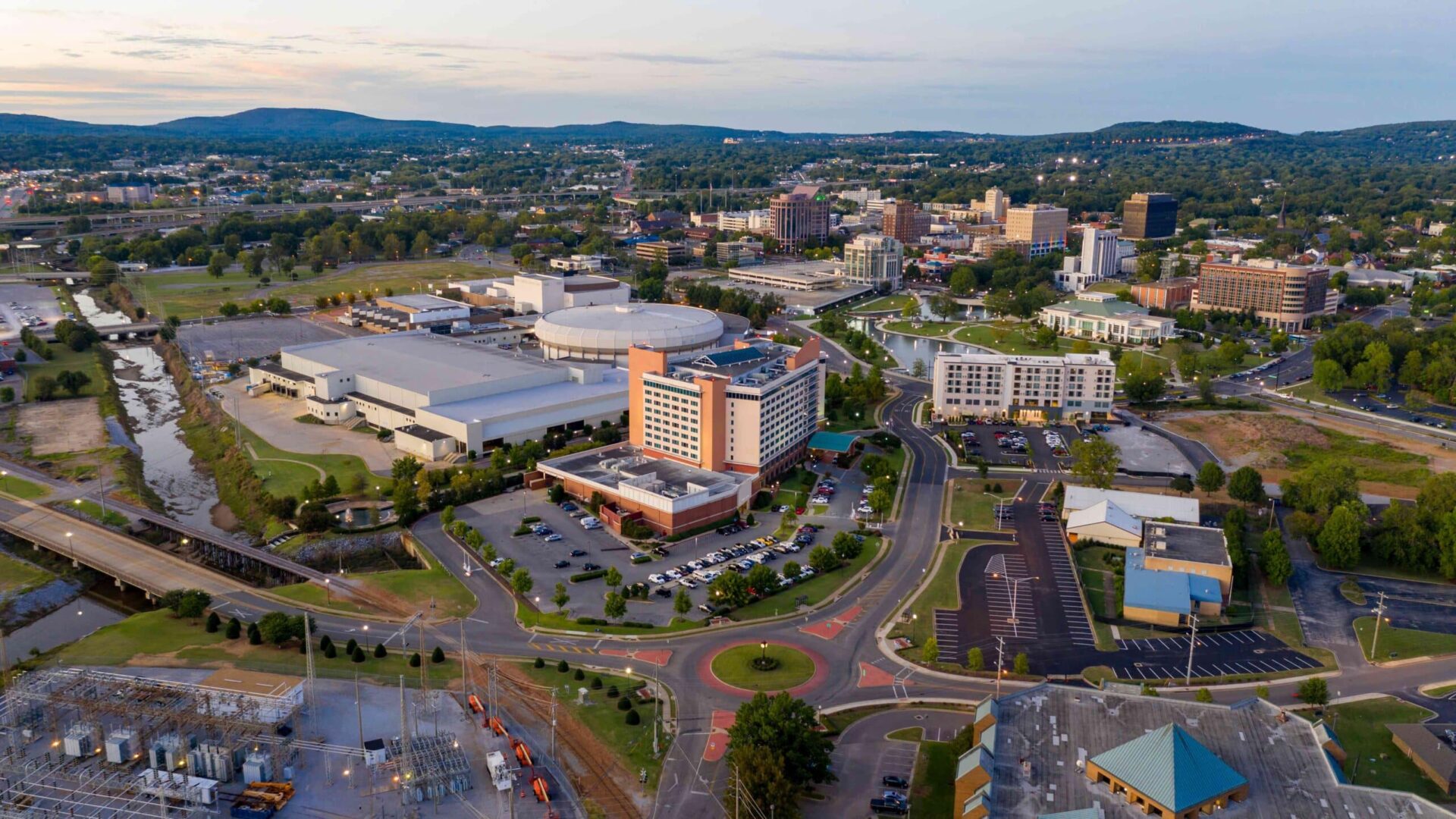
Waterfront properties along the Tennessee River in Decatur present unique challenges when it comes to pest control. These areas are particularly vulnerable due to their proximity to the water, which often creates conditions conducive to a variety of pests. Understanding these challenges is critical for effective management and preservation of property value, as well as maintaining a safe living environment.
Understanding the Challenges
Decatur’s waterfront properties face pest issues primarily because of the constant presence of moisture. This environment is ideal for pests such as termites, mosquitoes, and various rodents. As these pests thrive in damp conditions, they are more likely to infest homes located by the river.
Property owners must recognize the impact of these pests on both the structural integrity of their homes and the health of their families. Partnering with specialized pest control experts can mitigate these challenges and ensure properties remain pest-free. For example, pest control in Huntsville’s new developments highlights similar strategies for early intervention.
Furthermore, the migration of pests from the Tennessee Valley inevitably affects the broader area, emphasizing the need for effective, long-term pest management strategies.
Unique Environmental Factors
The unique ecosystem found along the Tennessee River creates specific environmental factors contributing to pest populations. Riverbanks, wetlands, and lush flora provide abundant breeding grounds for a variety of pests. Additionally, the microclimate created by the river affects humidity levels, further promoting pest activity.
These environmental factors mean that traditional pest control measures may not always be effective. Innovative, location-specific solutions are essential for managing pests in this particular setting, especially before they become a significant problem.
Impact on Property
Waterfront properties, valued for their scenic views and tranquil surroundings, face threats from pests that can damage infrastructure and decrease property values. Termites are a notorious issue in these areas, causing extensive damage to wooden structures if left unchecked.
Mosquitoes, thriving in wet environments, pose health risks due to their capacity to transmit diseases such as West Nile Virus and Zika Virus. Rodents may also find refuge in waterfront properties, damaging insulation and wiring, leading to costly repairs.

A close-up image of a tick, a common pest found in North Alabama that can transmit diseases like Lyme disease to people and pets. Proper tick control and removal is important for protecting health and
Pests Commonly Affecting Decatur’s Waterfront Properties
Waterfront properties in Decatur face specific pest challenges that threaten the comfort and safety of residents. Common pests include termites, mosquitoes, rodents, cockroaches, ants, fleas, and ticks. Each has its unique impact on the homes and health of those living in these areas.
Common Pests
Termites are particularly destructive, often causing significant damage to homes with wooden structures. Mosquitoes, attracted by standing water, are prevalent during warmer months and are known for spreading diseases. Rodents utilize waterfront properties both for food and shelter, often damaging electrical systems and insulation.
Cockroaches thrive in damp conditions, often infiltrating food storage areas and causing health issues. Ants are persistent invaders that quickly infest inside areas, while fleas and ticks primarily affect pets, potentially transmitting diseases.
Effects on Homes and Health
The impact of these pests extends beyond inconvenience; they pose serious threats to health and property integrity:
- Termites affecting wooden structures: These pests are notorious for causing substantial damage to wooden elements of structures, which can lead to expensive repairs.
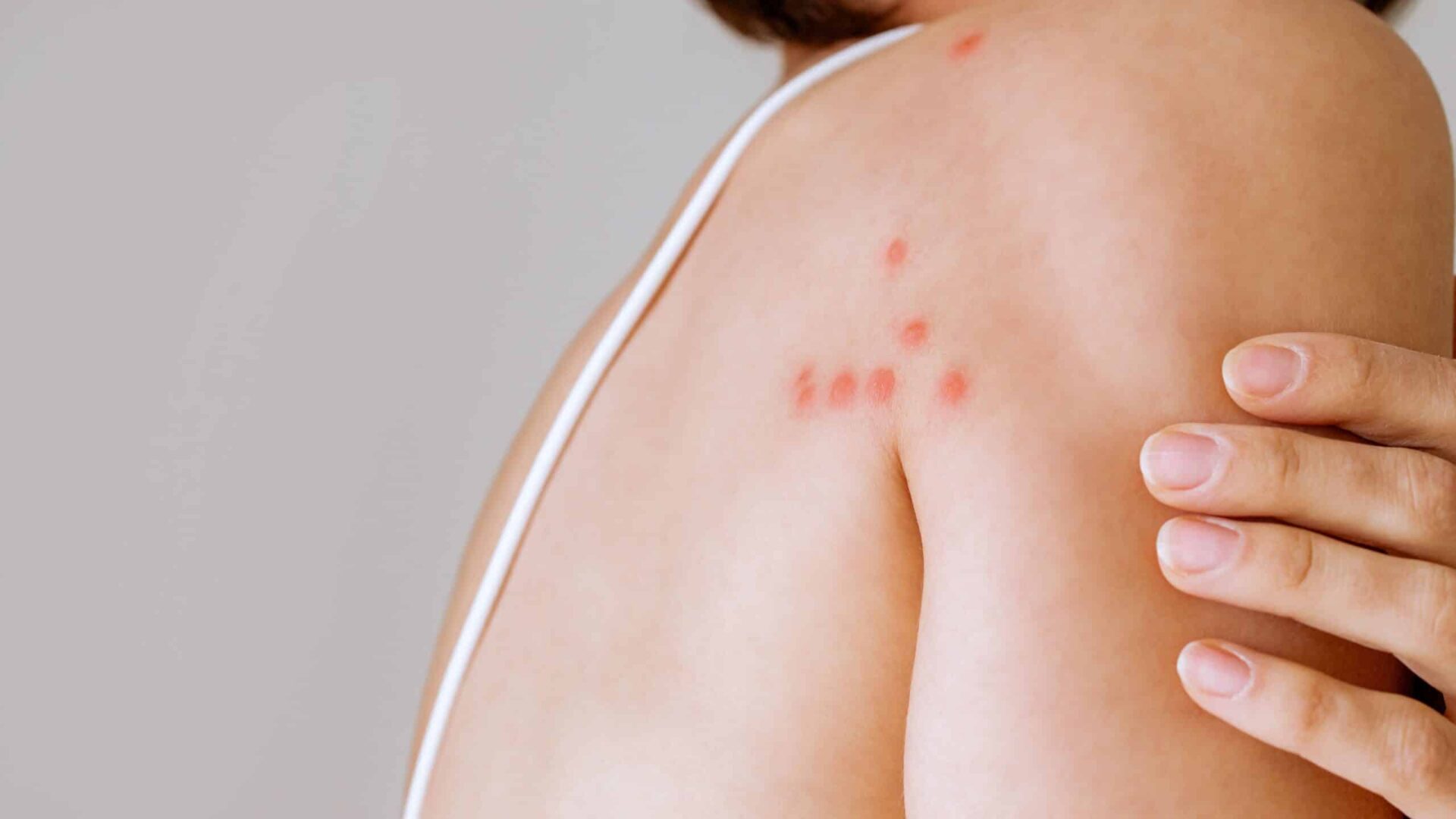
- Mosquitoes causing health issues: Mosquito bites can result in discomfort and potential transmission of diseases like West Nile Virus.
- Rodents impacting insulation: Rodents can chew through insulation, affecting a home’s energy efficiency and increasing repair costs.
- Cockroaches in food storage areas: Their presence in food storage locations can lead to contamination and spread of bacteria.
- Ants invading homes: Ant colonies can quickly establish themselves, making it difficult to eradicate without professional help.
- Fleas and ticks affecting pets: These pests are harmful to pets, carrying diseases and causing itching or allergic reactions.
Understanding these impacts is crucial for preventive measures.
Seasonal Patterns of Infestation
Pest activity varies significantly with the changing seasons. Spring and summer generally see a rise in mosquito activity due to warmer temperatures and increased precipitation, providing ideal breeding conditions. Similarly, termite swarming is common during the late spring, necessitating vigilant home inspections.
In autumn, rodent activity may increase as these pests seek warmth indoors, highlighting the importance of regular inspections and securing potential entry points. Awareness of these seasonal patterns is vital for timely pest management efforts.
Specialized Pest Control Strategies for Waterfront Properties
Developing specialized pest control strategies is essential for effectively managing pests in waterfront properties. Tailoring these strategies to address the specific ecological and environmental challenges of waterfront areas is critical.
Tailored Pest Management Solutions
Customized pest management solutions are necessary for addressing the unique challenges of riverfront properties. This includes understanding local pest species and implementing targeted control measures. Comprehensive strategies encompass preventative inspections and the application of eco-friendly treatments.
Working with pest control experts familiar with Redstone Arsenal pest control methods can provide valuable insights and tailored solutions.
Pest management plans should also incorporate regular monitoring and adjustments, based on changes in pest populations or environmental conditions, ensuring the approach remains effective year-round.
Role of Professional Exterminators
Professional exterminators offer expertise and resources that are crucial for waterfront pest control. They have access to specialized tools and treatments not available to the general public. Their services include thorough inspections and precise application of chemicals to minimize impact on the environment.
Establishing a relationship with experienced professionals familiar with Huntsville pest challenges can enhance the efficacy of pest management plans.
Additionally, professional services often come with guarantees and follow-up checks, providing peace of mind and assurance that pest issues are resolved comprehensively.
DIY Strategies for Homeowners
While professional help is recommended, homeowners can also adopt several do-it-yourself strategies to manage pests. This includes routine cleaning and maintenance practices, such as sealing entry points and maintaining dry conditions to discourage pest habitation.
The use of natural pest repellents and barriers can also be effective. It’s crucial to stay informed about pest control techniques and adapt measures as needed based on changing conditions or pest behaviors.
Prevent Pests Before They Become a Problem!
Guardian Pest provides proactive pest control solutions to help prevent infestations and protect your home from unwanted guests. Schedule your consultation today.
Book ConsultationLong-term Pest Prevention Strategies for Waterfront Properties
Implementing long-term pest prevention strategies is vital for waterfront properties to maintain a pest-free environment. Consistent efforts can significantly reduce the risk of infestations and protect property values.
Effective Prevention Techniques
Effective pest prevention for waterfront properties involves a proactive approach, including regular maintenance and timely interventions. Utilizing pest-resistant materials in construction and renovations can significantly deter pest entry and habitation.
Additionally, employing integrated pest management (IPM) techniques that combine biological control methods with mechanical and physical barriers can enhance overall pest prevention efficacy.
Key Maintenance Practices
Regular maintenance and attention to detail are crucial in preventing pest infestations. Here are some essential practices:
- Regular property inspections: Periodic inspections ensure early detection and management of pest issues.
- Proper sealing of entry points: Sealing cracks and crevices prevents pests from entering.
- Landscape management practices: Maintaining well-trimmed vegetation reduces habitats for pests.
- Installation of screens on windows: Screens provide a physical barrier against flying insects.
- Proper waste management: Securing garbage bins and disposing of waste regularly deters pests.
- Use of pest repellent plants: Certain plants naturally deter insects and can be used strategically around the home.
- Education on pest identification: Knowing how to spot pest signs helps in taking early action.
Incorporating these practices into routine home care can enhance pest prevention efforts.
Community Responsibility
Pest prevention is not solely an individual homeowner’s responsibility but requires community-wide cooperation. Community initiatives such as shared pest management programs and educational seminars can significantly boost prevention efforts.
Collaborative action ensures that all view pests as a collective issue, thereby increasing the effectiveness and reach of prevention strategies.
Environmental Considerations and Ecological Balance in Pest Control
When managing pests in Decatur’s waterfront properties, it’s essential to consider environmental factors and strive for ecological balance. Utilizing eco-friendly methods ensures that pest control does not disrupt the local habitat.
Considerations for Eco-Friendly Pest Control
Eco-friendly pest control focuses on minimizing harm to the environment while effectively managing pest populations. This includes using biological control agents, such as natural predators, to keep pest numbers in check.
Practices that support the local ecosystem, like preserving natural habitats and reducing chemical usage, align pest management with broader ecological goals.
Balancing Human and Wildlife Needs
Finding a balance between human needs and wildlife is crucial. Protection measures should safeguard property and human health while respecting local fauna. Adjustments to pest control practices based on the specific requirements of the area can reduce adverse environmental impacts.
Collaborative efforts between property owners and pest control experts can help establish essential guidelines that address wildlife needs without compromising human safety.
Sustainable Practices for Waterfront Areas
Sustainable pest control practices emphasize long-term ecological health. This includes habitat conservation, which maintains pest predators within the ecosystem, naturally reducing pest populations.
Implementing practices supported by scientific research and residential pest control services ensures sustainable pest management without disrupting local ecosystems.

Professional tick removal using tweezers, essential for safe handling and preventing diseases.
Pest Control Resources for Decatur’s Waterfront Property Owners
Owners of waterfront properties in Decatur have access to a wealth of resources to assist with their pest control needs. Utilizing these resources effectively can enhance the management and prevention of pest issues.
Local Pest Control Services
Several local pest control services specialize in waterfront property issues. These professionals offer tailored solutions that address specific challenges posed by the proximity to the Tennessee River. Finding a trusted partner in pest management is essential for ongoing property maintenance.
Engaging with regional experts knowledgeable about the area and its unique pest issues ensures comprehensive and effective solutions.
Helpful Resources and Tools
- Free pest inspection offers: Many services provide initial inspections at no cost, allowing homeowners to assess their property’s pest situation.
- Customer reviews and testimonials: These give insight into the effectiveness and reliability of service providers.
- Licensing and certification guides: Ensures that chosen service providers meet professional standards and regulations.
- Community outreach programs: Educational opportunities that promote collective pest management efforts.
Leveraging these tools helps property owners make informed decisions about pest control strategies.
Why Choose Local Experts?
Local experts bring the advantage of regional knowledge, understanding pest patterns specific to Decatur. Their familiarity with local pests and community reviews allows them to tailor services precisely to the property’s needs.
Partnering with local services often ensures prompt and personalized attention to burgeoning pest issues.
Emergency Pest Issue?
Our team is ready to tackle urgent pest problems 24/7. Don’t put your safety at risk, contact us now!
Get Help FastTennessee River Corridor Pest Challenges: Decatur’s Waterfront Properties FAQ
Waterfront properties commonly face pests such as mosquitoes, ants, and rodents. These pests are attracted to the moisture and shelter that such environments provide.
Our pest control services in Huntsville effectively target and mitigate these issues, especially during the summer when pest activity peaks.
To prevent pests in waterfront homes, it's essential to minimize standing water, seal entry points, and maintain clean surroundings. Preventative pest control strategies in Huntsville, alongside natural pest control options, are key to reducing pest risks.
Regular inspections and professional pest management services also play a critical role in maintaining a pest-free waterfront property.
Some of the most effective pest control techniques include integrated pest management, regular inspections, and the use of targeted treatments. Guardian Pest offers guaranteed pest control in Huntsville to ensure complete satisfaction.
Our approach combines preventative measures with active treatments, adapted to Huntsville's unique pest challenges.
Yes, our pest control treatments are designed to be safe for the environment. We prioritize eco-friendly pest control in Huntsville, using products that are both effective and environmentally responsible.
Our commitment to sustainable practices ensures that we manage pest problems without compromising the health of the surrounding ecosystem.