Understanding Seasonal Patterns
The Tennessee Valley region is home to a variety of unique ecosystems that influence pest migration patterns. Each season brings about different environmental conditions that contribute to the shifts in pest activity. By understanding these patterns, residents can take proactive measures to protect their homes and properties effectively.
During spring, the warmer temperatures and increased rainfall in North Alabama’s pest climate create ideal conditions for many pests to become active. As plants bloom and moisture levels rise, expect to see an uptick in insect activity, primarily those interested in feeding on fresh vegetation.
Pests Commonly Found in Tennessee Valley
Termites: Known for their destructive nature, termites are particularly active in the warmer months, requiring vigilance from homeowners.
Mosquitoes: With various water bodies throughout the region, mosquito populations can explode during spring and summer, leading to health risks.
Cockroaches: Preferring humid climates, cockroaches populate quickly during the summer, searching for food and shelter in residential areas.
Impact of Climate on Pest Movement
The Tennessee Valley’s unique climate, characterized by hot, humid summers and mild, wet winters, plays a crucial role in determining regional pest movement cycles. Pests migrate seeking optimal living conditions, often moving indoors for warmth, especially in cooler months.
These migrations are not just due to temperature changes but also other factors such as food availability and breeding cycles influenced by seasonal transformations.
Learning about these cycles is essential for implementing timely and effective pest control measures, ensuring that interventions are not only reactive but strategically anticipatory in tackling seasonal pest infestations.
In many cases, understanding how Huntsville pest challenges evolve throughout the year can guide more effective pest management practices that align with regional specifics.

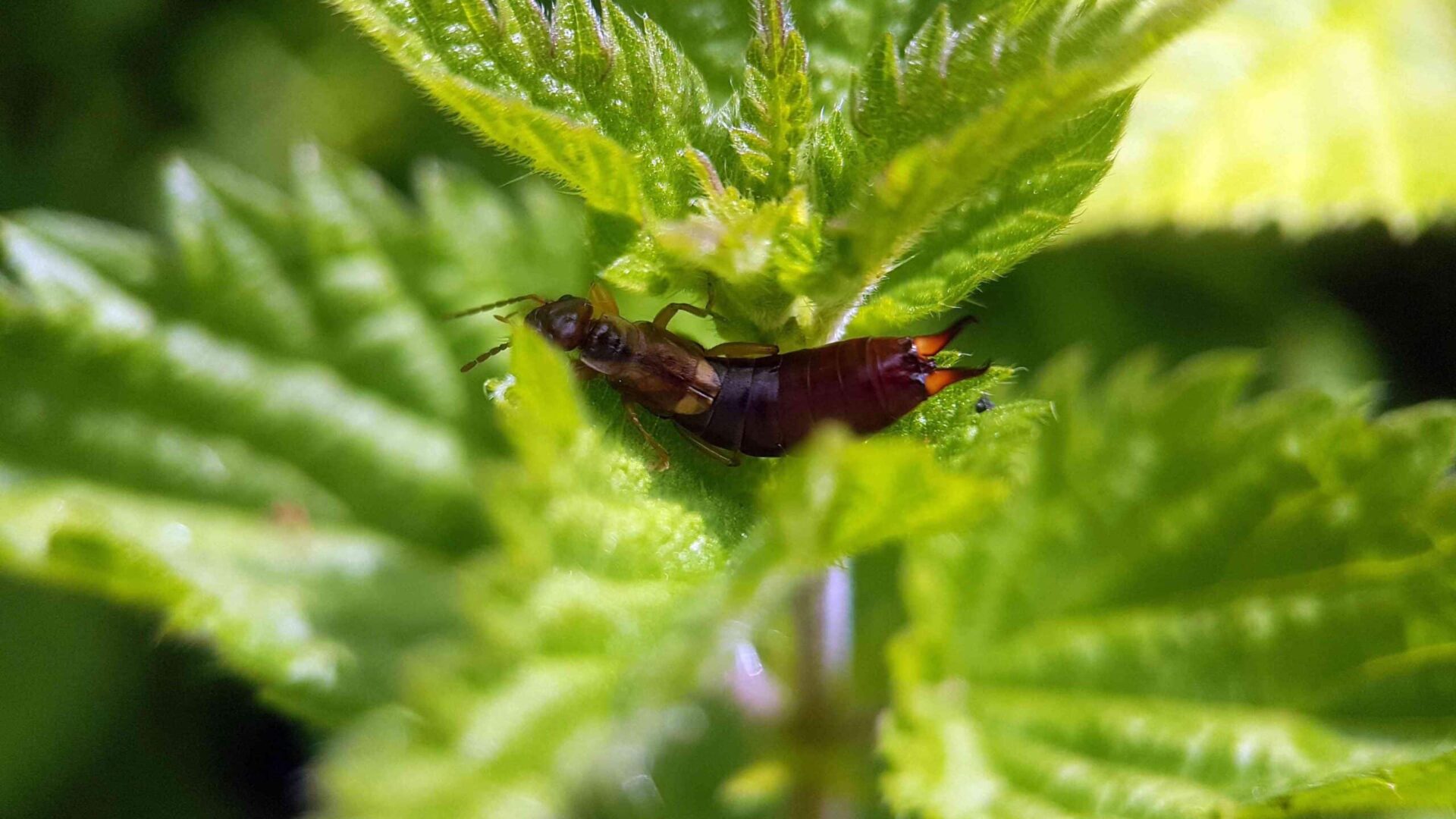
A detailed close-up view of an earwig insect resting on a green leaf. Earwigs are common pests that can be problematic for gardeners and lawn care professionals in North Alabama.
Common Spring Pests
During the springtime, pests such as ants, stinging insects, and termites begin to emerge vigorously, driven by warmer temperatures and the quest for new food sources. These pests are not only seeking sustenance but also ideal conditions for breeding. Homeowners should be particularly vigilant during this time to prevent infestations.
Activities like regular pest control inspections are crucial to identifying and addressing any nascent problems when they are still manageable.
Summer Migration Trends
Summer in the Tennessee Valley is marked by increased pest activity, with several species becoming particularly problematic:
- Ants: In search of food, these pests can invade homes through the smallest openings.
- Termites: The rise in temperature accelerates their lifecycle, leading to increased structural damage if unchecked.
- Mosquitoes: Thrive in warm, humid conditions, potentially carrying diseases.
- Cockroaches: Enter buildings in search of food and water, particularly in urban areas.
- Flies: Population explosions in summer require effective control measures to prevent contamination.
- Spiders: Although many are harmless, their presence often indicates an underlying insect population issue.
Fall and Winter Movements
As temperatures drop in fall, many pests migrate indoors in search of warmth. This seasonal migration necessitates a shift in new construction pest prevention strategies as homeowners aim to fortify their properties against these incursions.
In winter, while pest activity generally lessens, some like rodents and cockroaches, are steadfast in seeking refuge indoors, making it crucial for homeowners to remain vigilant during these cooler months.
Overall, understanding these seasonal trends is paramount in crafting tailored pest management plans that provide comprehensive protection all year round.
Prevention Strategies
Effective pest control in the Tennessee Valley requires a proactive approach, particularly in anticipation of seasonal migration patterns. By implementing key preventive measures, homeowners can significantly reduce the risk of infestations. It’s about taking action before pests become a problem, ensuring that properties can withstand various pests year-round.
Home Maintenance Tips
Regular home maintenance plays a crucial role in preventing pest intrusions. Here are some essential tips:
- Seal entry points: Ensure all gaps, crevices, and holes around windows, doors, and foundations are sealed to block pest access.
- Regular inspections: Conduct routine checks for signs of pest activity, helping to catch infestations early.
- Maintain gardens: Trim bushes, remove debris, and keep grass short to deter pests from inhabiting your yard.
- Proper waste disposal: Securely store garbage to prevent attracting pests looking for food sources.
- Keep food stored: Use airtight containers to store food, reducing the chances of luring pests indoors.
- Professional pest control services: Schedule regular services from Decatur Waterfront pest control experts for advanced prevention solutions.
Importance of Seasonal Preparations
Seasonal preparations are crucial in pest management as they help address potential pest issues before they arise. Adapting to the changing seasons by preparing your home accordingly can prevent sudden pest surges and protect the structural integrity of your property.
Understanding the cyclical nature of pest activity ensures that measures are timely and effective, thereby saving costs and reducing the need for more intensive interventions.
Effect of Weather Changes
Weather changes significantly impact pest migrations in the Tennessee Valley. Fluctuations in temperature, rainfall, and humidity alter pest behaviors and migration patterns. For instance, warmer temperatures can lead to a surge in pest activity as insects seek to reproduce and expand their range.
Pests often adjust their movement based on weather changes, making it vital for pest control strategies to consider seasonal weather forecasts.
Humidity and Temperature Insights
High humidity levels, coupled with warm temperatures, create ideal breeding conditions for many pests. This can result in larger pest populations during the summer months, necessitating vigilant control measures.
Pests like termites and mosquitoes thrive under these conditions, exploiting the environment to rapidly increase their numbers.
New development areas in Huntsville are particularly at risk, as disturbed soil and new vegetation invite pests.
Land Use and Pest Dynamics
The way land is used in the Tennessee Valley also affects pest dynamics. Urban expansion and agricultural practices can disrupt natural pest habitats, forcing pests to migrate in search of alternative resources and shelter.
Developments in the Huntsville area illustrate how altering landscapes can influence pest distribution, demanding adaptive pest control measures tailored to these changes.
Strategic pest management that accounts for land use and environmental changes can help maintain ecological balance and mitigate the risks of pest infestations.
Cost Implications for Homeowners
Addressing pest migrations comes with financial considerations, impacting homeowners in the Tennessee Valley. The costs associated with pest control can vary, but they generally include several categories:
- Repair services: Damage from pests often requires repair to structural components of the house.
- Increased pest control costs: Seasonal treatments can add up, especially if infestations are not managed proactively.
- Loss of property value: Persistent pest problems can decrease the resale value of homes.
- Health risks associated with pest infestations: Costs related to healthcare from pest-borne diseases should not be underestimated.
Impact on Local Businesses
Local businesses also bear the brunt of pest migrations. Infestations can lead to additional costs in terms of maintaining a pest-free environment, which is crucial for customer satisfaction and compliance with health regulations.
Businesses in hospitality, food service, and retail sectors are particularly vulnerable, needing to implement regular pest management solutions to protect their reputation and operational integrity.
Community Health and Safety Concerns
Pest migrations pose broader community health and safety concerns. Besides individual homes, when pests invade neighborhoods, they can become significant vectors for spreading infectious diseases.
Communities must prioritize collective strategies, leveraging pest inspection services to keep public spaces safe and pest-free.
Educating the community on pest risks and mitigation strategies is vital in safeguarding public health and enhancing quality of life across the Tennessee Valley.

This close-up view of decaying, crumbling wood showcases the destructive power of termites, a common pest problem that can threaten the structural integrity of homes and buildings in Huntsville, Alaba
Final Thoughts
Seasonal pest migrations in the Tennessee Valley present unique challenges and opportunities for homeowners and pest control providers alike. Being informed about these patterns enables more effective responses and long-term strategies to mitigate pest impacts. Understanding migration patterns can significantly contribute to the development of efficient pest management plans.
Remaining proactive and adopting informed strategies is key to minimizing pest-related disruptions across various seasons.
Future Trends in Pest Control
The future of pest control in the Tennessee Valley is evolving with innovative technologies and techniques designed to enhance effectiveness. Developing trends include the use of smart technology for pest detection, organic methods, and integrated pest management programs that reduce chemical reliance.
These advancements provide more sustainable and environmentally friendly pest control options that protect local ecosystems.
The Role of Professional Pest Control Services
Professional pest control services play an essential role in addressing seasonal pest challenges. They offer targeted solutions and expert insights that are crucial for effective pest management.
Moreover, their ability to tailor strategies to individual needs and the changing pest seasons helps ensure property safety and comfort. Using reputable services ensures peace of mind and optimal protection against pest invasions.
By partnering with professionals, homeowners can leverage their expertise to make informed decisions about pest control, safeguarding their homes and communities against potential threats.
Discover Our Expert Services
Choose Guardian Pest for effective pest solutions tailored to your needs!
Insect Control
Say goodbye to unwanted insects with our effective strategies and treatments.
Learn MoreTermite Protection
Protect your property with our comprehensive termite prevention and removal services.
Get ProtectedSeasonal Pest Migration Patterns in the Tennessee Valley Region FAQ
Seasonal migrations typically bring increased activity from pests such as rodents, ants, and various stinging insects. Understanding these key pests helps in preparing effective control strategies.
By working with north Alabama pest control services, you can stay ahead of these migrations and ensure comprehensive protection through targeted treatments and preventative measures.
Preparing your home for migrating pests involves sealing entry points, maintaining cleanliness, and monitoring for signs of pest activity. Ensuring proper waste disposal and reducing clutter can minimize attractions for pests.
Alabama pest control services, including preventative pest control in Huntsville, can provide additional measures to safeguard your home during periods of migration, effectively reducing the risk of future infestations.
Signs of pest migration include an unusual increase in specific pests, new nests or burrows, and seasonal swarms, particularly with insects like termites or ants. Changes in pest activity levels often indicate seasonal movements.
Monitoring these signs with help from Alabama pest control services can help mitigate potential infestations before they become serious issues.
Hiring a pest control service during seasonal changes ensures your home is protected against the influx of pests that coincide with these shifts. Professionals can offer targeted treatments based on the most active pests for each season.
Alabama pest control expertise provides strategic approaches for year-round protection, ensuring peace of mind and a pest-free home even as seasons change.
Climate change can affect pest migration patterns by altering habitats and breeding cycles, leading to increased pest activity or the presence of new pests in a given area. Warmer temperatures may extend the active season of many pests.
Alabama pest control services are adapted to these changes, providing solutions that account for shifting pest behaviors and ensuring effective pest management in the face of climate changes.
Scheduling pest control around seasonal changes is important as different pests become more active at various times of the year. For example, spring is ideal for termite and ant control, while fall may require more attention to rodents.
Consulting with Alabama pest control professionals can help you determine the best times for treatments, enabling proactive management of seasonal pest issues.