Understanding Termite Damage
Termite damage can be devastating to homes, often going unnoticed until significant structural damage has already occurred. As signs of pest infestation are sometimes subtle, it is crucial to be aware of the indicators that specifically point to termites. These pests consume wood from the inside out, making detection particularly tricky.
North Alabama termites are especially known for causing severe damage, due to the humid climate that fosters their growth and activity. Recognizing these signs early can save homeowners from costly repairs and maintain the integrity of their homes.
Why Accurate Identification Matters
Distinguishing between termite damage and other forms of wood deterioration is essential, as the repair approaches can differ drastically. Termites need specific eradication methods, unlike conditions such as wood rot, which may require entirely different remedies. Misidentifying the issue could lead to ineffective treatments, further damaging the property.
Homeowners should also be aware of the potential for increased repair costs if initial identification is incorrect, as untreated termite damage can escalate quickly. This underlines the importance of accurate and timely identification.
Common Types of Wood Damage
Wood damage in homes can result from a variety of sources apart from termites, including carpenter ants, which create smooth tunnels in wood, and wood rot, triggered by excessive moisture. Each type of damage bears specific characteristics that can help in identification.
Carpenter ants, for instance, differ from termites in that they do not consume wood but rather remove it to create their nests. Meanwhile, wood rot may appear in damp environments and display a different texture compared to that affected by insects. Understanding these variations is key to effective pest control and maintenance.
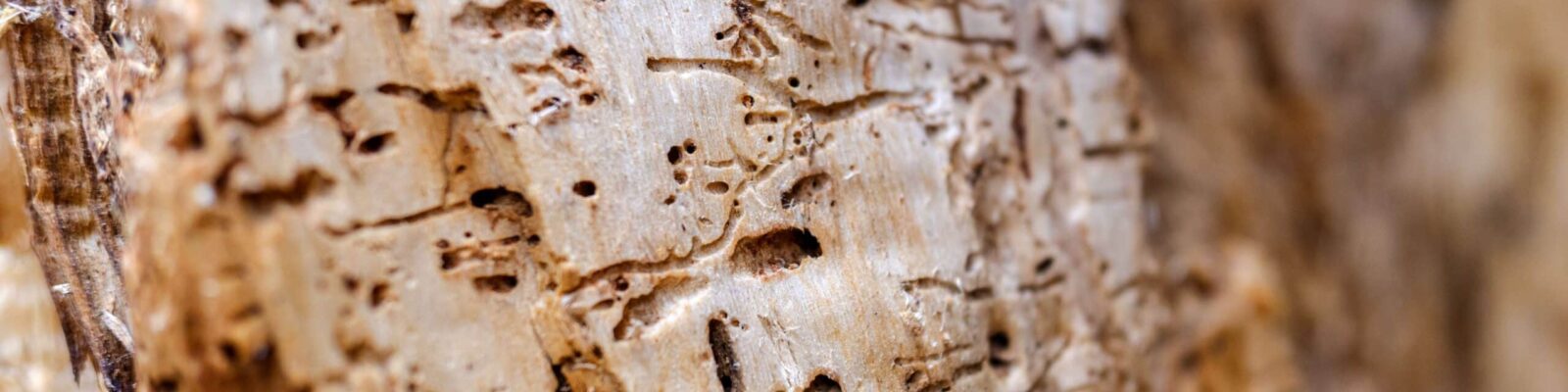
This image shows severe termite damage to a wooden surface, with tunnels and degradation of the wood structure. This is a common issue for homeowners in North Alabama that requires professional pest c
Key Indicators of Termite Damage
Identifying termite damage requires a keen eye and awareness of specific signs. Mud tubes along walls and foundations, hollow-sounding wood, and the presence of discarded wings are strong indicators of a termite presence. These clues are often the first signs that a homeowner might notice.
Differentiating between Damage Types
When attempting to differentiate between various wood-damaging agents, there are key aspects to consider:
- Termite galleries versus carpenter ant tunnels: Termites create galleries filled with mud or frass, while carpenter ants leave smooth tunnels free of debris.
- Distinguishing moisture damage from termites: While moisture damage can soften wood and cause discoloration, termite damage is more systematic, occurring inside and leaving a hollow exterior.
- Identifying signs of wood rot: Wood rot occurs in very damp conditions and usually results in crumbly, discolored wood unlike the precise work of termites.
- Understanding the role of wood-eating insects: Aside from termites, various insects contribute to wood damage, each with distinctive marks that trained professionals can identify.
When to Seek Professional Help
If any signs of termite activity are discovered, it’s crucial to consult professional pest control benefits. Experienced technicians can accurately diagnose the situation and provide appropriate treatment options tailored to the specific needs of your home.
Delaying action can lead to further damage and higher costs. Therefore, engaging experts ensures that the damage is contained and repair strategies are correctly applied.
Consequences of Ignoring Termite Damage
Neglecting termite damage can result in severe structural failures. Over time, termites can compromise the home’s foundational supports, leading to potentially dangerous living conditions. Often, by the time the damage is apparent, the structural integrity may be significantly weakened, requiring extensive repairs.
Homes with untreated termite damage are prone to other secondary issues. For instance, damage to the support beams or flooring can create entry points for other pests or cause moisture issues, which could contribute to further damage and decay.
Long-Term Impacts on Your Home
Failure to treat termite damage can have several long-term negative effects:
- Structural integrity risks from untreated damage: Continuous termite activity undermines critical structural components, endangering the safety of your home.
- Increased repair costs over time: As damage spreads, the complexity and cost of repairs increase, often exponentially if termites remain undetected.
- Potential for health risks due to mold or decay: Damaged structures can promote mold growth, posing health risks to residents.
- Insurance implications of undetected damage: Many insurance policies do not cover termite damage, leaving homeowners with significant financial responsibilities.
- Impact on property value: Properties with extensive termite damage may lose value and attractiveness to potential buyers.
Strategies for Prevention and Maintenance
Preventive measures can significantly reduce the risk of termite damage. Regular inspections by professionals can detect problems early, offering effective solutions before severe damage occurs. Maintaining a dry and well-ventilated home environment can also deter termites.
New construction pest control strategies can incorporate protective measures during the building phase, like termite barriers and treatment of building materials, adding an extra layer of security to new homes.
Inspection Techniques for Homeowners
Homeowners can perform basic inspections to identify possible termite activity. Regularly checking basements, attics, and other vulnerable areas for mud tubes or damaged wood is an effective first step. Routine vigilance is key to early detection and control of termite infestations.
Using tools such as flashlights and screwdrivers, you can inspect suspect areas by probing wooden structures to determine if they are hollow or have termite galleries inside, indicating an infestation.
Using Technology for Detection
Advanced technology now aids in the early detection of termites, including tools such as moisture meters and infrared cameras, which can identify areas of moisture and heat variation indicating possible termite activity. These technologies offer non-invasive ways to assess your home.
Incorporating such tools into regular inspections could provide homeowners with the edge needed to catch issues before they become significant. These technologies are highly effective but require some familiarity to use correctly.
Consulting Professional Services
Professional pest control services offer comprehensive evaluations that homeowners cannot perform alone. Experts utilize detailed inspection methodologies, applying both traditional techniques and modern technology for comprehensive house examinations.
Trusting professionals with the identification and treatment of termite damage ensures that the approach is both thorough and specific to the infestation found, minimizing future risks.
Regular Monitoring and Maintenance
Consistent monitoring and maintenance practices are essential to managing termite activities around your home. Regular visits from pest control services can maintain defenses against infestation, especially in termite-prone regions.
Implementing an upkeep routine not only detects potential problems early but also helps to prevent them altogether, ensuring a pest-free home environment.
Regular Home Inspections
Regular home inspections play a critical role in early pest detection and prevention. By routinely checking for signs of termite damage, homeowners can reduce the risk of extensive damage and costly repairs. These inspections should be conducted at least annually, or more frequently in high-risk areas.
Pinpointing susceptible areas such as attics, basements, and around plumbing where moisture is prevalent can be particularly important. These areas are often targeted by pests, making regular checks indispensable for maintaining structural integrity.
DIY Damage Detection Tips
Homeowners can apply DIY methods to identify potential termite threats:
- Listen for hollow sounds: Gently tapping on wooden surfaces could reveal hollow areas, indicating internal termite damage.
- Check for mud tubes: Inspect the foundation and crawl spaces for mud tunnels, which are clear signs of termite activity.
- Observe window and door frames: Frames that are difficult to close or have crack-like signs could be compromised due to termites.
- Monitor outdoor areas: Check wooden fences and sheds, as termites often start their work from the outside before moving inward.
Hiring Pest Control Professionals for Evaluations
For a thorough evaluation, hiring pest control professionals is recommended. Experts provide precise assessments and detailed recommendations for remediation and prevention. They are equipped with the necessary tools and skills to manage any infestations efficiently.
Engaging professional services ensures that any present issues are addressed with expertise, significantly reducing the likelihood of re-infestation and maintaining structural safety.
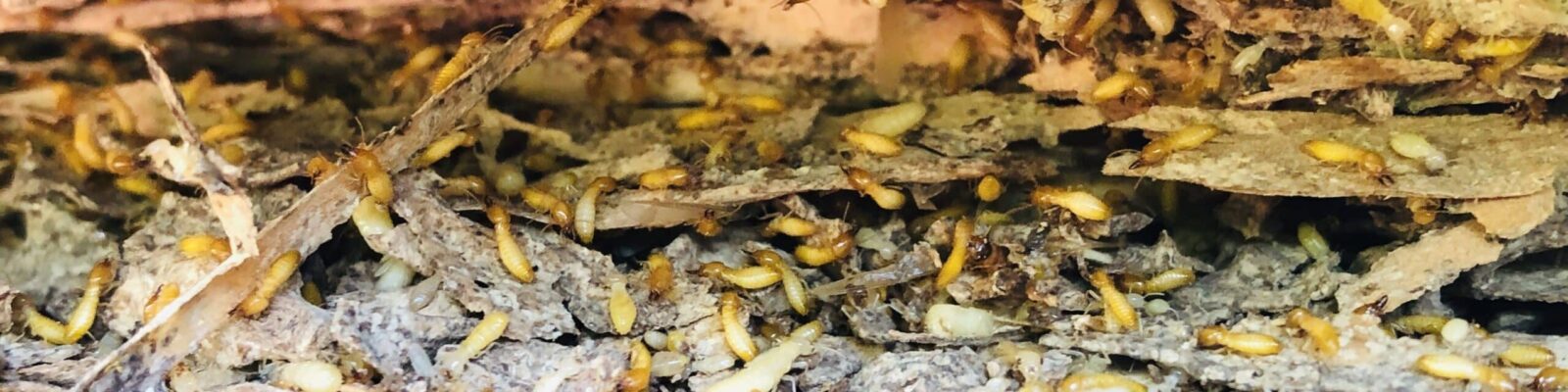
Severe termite damage to a wooden structure, with visible holes, tunnels, and decay in the wood. This image highlights the need for professional pest control services in North Alabama to identify and
Final Thoughts on Termite Damage Identification
The critical role of early detection in managing termite damage cannot be overstated. Identifying termite damage early allows for quicker response and prevents costly structural repairs. Being vigilant about potential warning signs and seeking expert advice when needed can preserve the safety and integrity of your home.
- Importance of early detection: Catch issues before they become severe to avoid expensive repairs and maintain safety.
- Differentiating between types of wood damage: Understanding the differences helps apply the correct treatments, saving time and money.
- Benefits of professional evaluations: Professionals can provide a detailed analysis, ensuring accurate damage identification and effective solutions.
Resources for Further Information
For more information on managing termite risks, consult resources such as residential pest control and professional pest control services that provide comprehensive guides and expert advice tailored to your specific situation.
Continuing education and awareness about pest control practices can significantly improve home protection strategies, ensuring your property remains secure and pest-free.
Discover Our Expert Services
Choose Guardian Pest for effective pest solutions tailored to your needs!
Insect Control
Say goodbye to unwanted insects with our effective strategies and treatments.
Learn MoreTermite Protection
Protect your property with our comprehensive termite prevention and removal services.
Get ProtectedTermite Damage vs Other Wood Damage: How to Tell the Difference FAQ
Signs of termite damage include soft or hollow-sounding wood, blistering paint, and mud tubes on your walls or foundation. Also, discovering discarded wings near windows or doors is a common indicator.
Identifying these signs early with the help of pest control in Huntsville can mitigate extensive damage and reduce repair costs through timely termite treatment options.
To differentiate between wood rot and termite damage, examine the wood for mud tubes or frass, which are signs of termites. Wood rot often results in a crumbly texture due to fungal decay rather than distinctive pest damage.
If you're uncertain, it's best to consult a pest control specialist in Huntsville to accurately assess the issue and determine if termite treatment is necessary.
Termite inspections are a crucial aspect of home maintenance, and while DIY inspections can be helpful, a professional provides a comprehensive evaluation of your property. Engaging pest control services in Huntsville, AL, ensures precise detection and efficient termite management.
Our commercial pest control services in Huntsville, AL, are tailored to provide businesses with robust termite protection solutions.
Preventive measures against termites include eliminating moisture problems, sealing entry points, and reducing wood-to-soil contact. Implementing preventative pest control techniques in Huntsville can significantly reduce the risk of termite infestations.
Regular monitoring and termite treatment in Huntsville are effective ways to protect your property from these destructive pests.
Having your home inspected for termites at least once a year is advisable, as this allows for early detection of any infestations. Guardian Pest offers a free pest inspection in Huntsville for first-time clients to help identify potential termite issues.
By scheduling regular inspections and termite control in Huntsville, AL, you can protect your property from costly termite damage.