Introduction to Tick Prevention in Alabama
Ticks are a common nuisance in Alabama due to the state’s dense woodlands and humid climate, which create ideal breeding grounds for these pests. Understanding and implementing effective Alabama tick prevention strategies can significantly reduce the risk of tick bites and tick-borne diseases. By focusing on yard treatments, habitat elimination, and personal protection strategies, you can protect your family from potential threats like Lyme disease.
Understanding Ticks
Ticks are small arachnids that feed on the blood of humans and animals. They can be found in grassy, bushy, or wooded areas and even on animals. Many tick species thrive in Alabama, including the black-legged tick, which is notorious for transmitting Lyme disease.
The life cycle of a tick includes four stages: egg, larva, nymph, and adult. Each stage requires a blood meal to progress to the next. Understanding this life cycle helps in implementing timely Alabama tick prevention measures such as regular yard maintenance and personal protection.
Ticks detect their hosts through body heat and vibrations. Once they latch on, they search for a suitable spot to bite and feed. This process can last several days, increasing the risk of disease transmission.
Why Tick Prevention is Important
Implementing preventative measures is crucial because ticks are vectors for several tick-borne diseases. Ticks are small, making them difficult to detect, and their saliva can numb the skin, allowing them to feed undetected. These factors make proactive prevention and control essential.
By maintaining a tick-free environment, you can greatly reduce the chances of tick bites and the transmission of diseases such as Lyme disease and Rocky Mountain spotted fever. Effective prevention not only protects your family but also your pets, as they are commonly exposed to ticks in outdoor spaces.
Additionally, reducing tick habitats in your yard decreases the overall population, making your surroundings safer and more enjoyable for outdoor activities.
Tick-Borne Diseases
Tick-borne diseases are a serious health threat that can have long-lasting effects. In Alabama, the most common tick-borne illnesses include Lyme disease, ehrlichiosis, and anaplasmosis. Symptoms can range from mild to severe, including fever, fatigue, and neurological issues.
Early detection and treatment are crucial for minimizing complications. Lyme disease prevention strategies, such as timely removal of ticks and monitoring for symptoms, are vital components of overall tick management.
By understanding the risks and implementing comprehensive tick prevention measures, families in Alabama can protect themselves from the adverse effects of tick-borne illnesses. For more details on pest control solutions, you may consider exploring services like Alabama flea tick control and Alabama ant control.

Tick firmly attached to skin, emphasizing the importance of professional tick control services.
Effective Strategies to Prevent Ticks in Your Yard
Maintaining your yard is a crucial step in the battle against ticks. By creating an environment that is less hospitable to ticks, you can reduce the risk of encounters at home. This involves a combination of regular maintenance and professional interventions.
Regular Yard Maintenance
Frequent lawn mowing, leaf raking, and removing tall grasses and bushes can significantly reduce tick habitats. Keeping your grass short and tidy discourages ticks from thriving and minimizes their hiding spots. Establishing a tick-safe zone around your home is an effective strategy.
In addition to trimming vegetation, removing piles of leaves and other debris where ticks like to hide is essential. Creating a 3-foot barrier of wood chips or gravel between lawns and wooded areas also helps keep ticks at bay.
Professional Yard Treatments
Hiring professional pest control services to implement Alabama tick prevention treatments can offer more robust protection. Experts can apply targeted sprays that reduce tick populations effectively. Various treatment options can be customized to your needs.
- Chemical Treatments: Use of pesticides specifically designed to kill or repel ticks.
- Natural Repellents: Eco-friendly solutions that deter ticks without harming other wildlife.
- Insect Growth Regulators: These disrupt the life cycle of ticks, preventing them from maturing or reproducing.
- Seasonal Spraying: Scheduled spraying throughout tick-prone seasons to maintain low tick populations.
- Barrier Treatments: Applying substances around the perimeter of your yard to prevent tick entry.
- Integrated Pest Management: A comprehensive, sustainable approach that combines multiple methods to control ticks effectively.
By integrating these strategies, you can significantly curb the tick population in your yard, reducing the risk of tick-borne diseases for your family and pets. Consider consulting experts for detailed advice on the best approach for your landscape. Additional solutions might be found in services like bed bug treatment in Alabama and Alabama cockroach control.
Personal Protective Measures Against Ticks
While yard maintenance is essential, taking personal protective measures is equally important in preventing tick bites and reducing the risk of disease. These strategies ensure you and your family can enjoy the outdoors more safely.
Dressing to Prevent Tick Bites
Wearing appropriate clothing can act as a primary line of defense against ticks. Consider wearing long sleeves, pants, and socks when in tick-prone areas. Light-colored clothing is advisable as it makes it easier to spot ticks before they attach.
Another effective tactic is tucking your pants into your socks and shirt into your pants to create a barrier. This minimizes the exposed skin that ticks can latch onto. You may also find pre-treated clothing options to repel ticks effectively.
Using Repellents Effectively
Applying repellents to exposed skin and clothing is crucial in North Alabama mosquito control and tick prevention. Products containing DEET, picaridin, or IR3535 are effective at deterring ticks.
Ensure that repellents are used as directed, applying them to clothing and exposed skin except for the face. Reapply repellent as needed, especially if you are sweating or have been in water.
Consider using permethrin-treated clothing for added protection, as this can repel and kill ticks on contact. Always follow safety instructions when applying any chemical treatments.
When to Seek Professional Help
If you continue to find ticks frequently despite implementing these strategies, it might be time to consult professionals. Persistent tick issues can be addressed by services specializing in Alabama rodent control and other pest problems, ensuring a thorough and effective approach.
Professionals have access to advanced treatments and can offer customized solutions based on your specific circumstances, helping to secure your environment more efficiently.
Your family’s safety is paramount, and seeking expert advice can often provide the best peace of mind in handling complex pest issues like tick infestations.
Need Pest Control Now?
Schedule a fast response service to eliminate pests from your home effectively. Your peace of mind is just a call away.
Book My ServiceHow to Manage Ticks on Pets and Family
Managing ticks on pets and family members is a crucial aspect of maintaining a tick-free environment. Identifying early signs of tick bites and knowing how to respond can help prevent health complications.
Tick Control for Pets
Pets, especially dogs and cats, can be prone to picking up ticks while outdoors. Regular check-ups and proper grooming can help in detecting ticks early before they become a health issue. Use tick preventatives recommended by veterinarians, like spot-on treatments and tick collars.
Bathing your pet with tick-repelling shampoos and maintaining their living area free of pests are also effective measures. Regular vet visits ensure that tick-borne diseases are caught and treated early, keeping your pet healthy.
It’s essential to be vigilant about checking your pets’ fur if they’ve been outdoors, particularly after walking in wooded or grassy areas. Prompt identification and removal of ticks can prevent serious health issues for your pets.
Dealing with Tick Bites
Recognizing and responding promptly to tick bites reduces the risk of infection and disease. Educating your family about tick checking after potential exposures is vital.
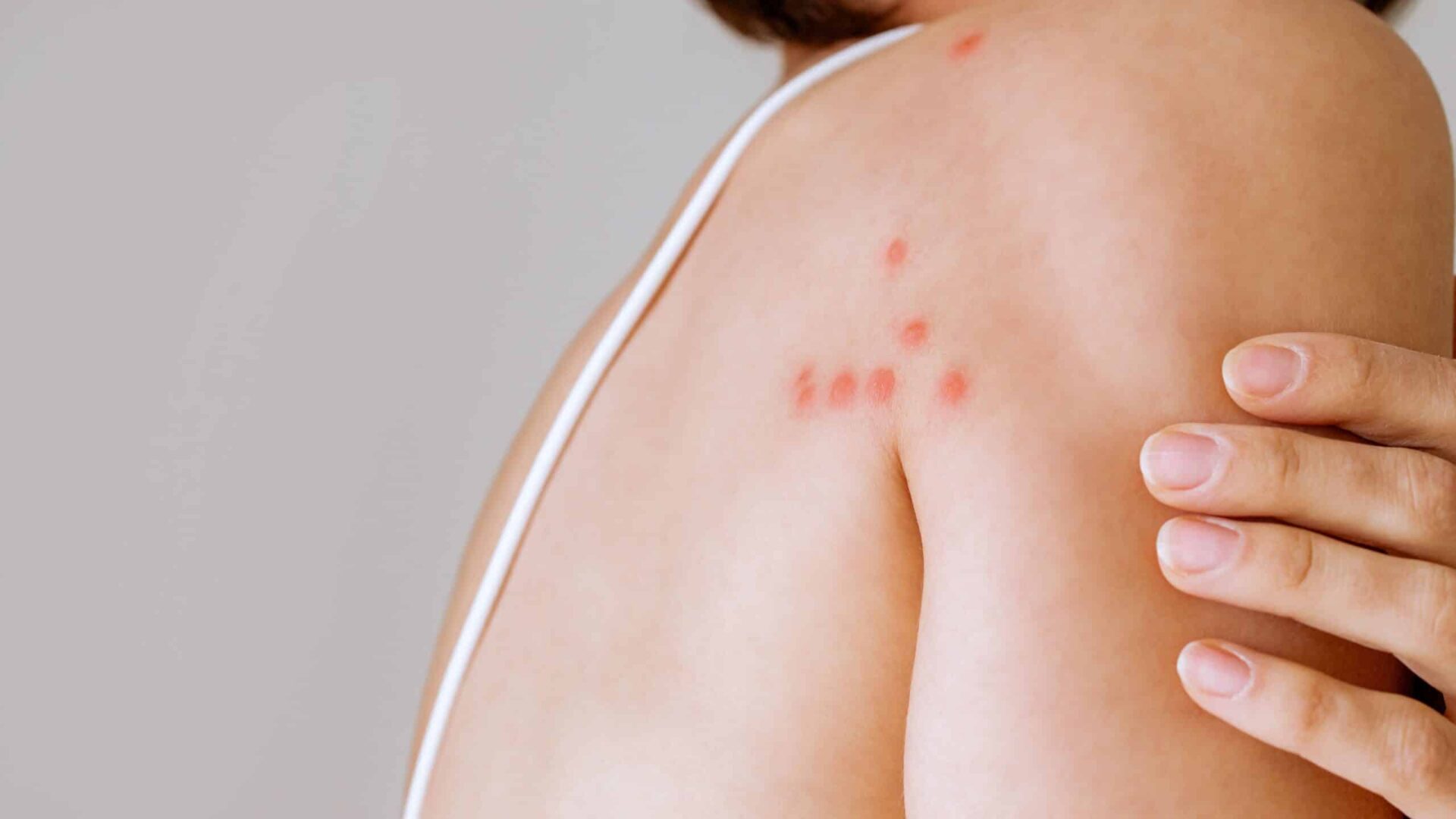
- Recognizing Symptoms: Initial symptoms include redness, swelling, or a rash around the bite.
- First Aid for Tick Bites: Clean the area with soap and water or alcohol after removing a tick.
- When to Consult a Doctor: Seek medical advice if symptoms like fever or rash develop after a bite.
- Tick Removal Techniques: Using fine-tipped tweezers, grasp the tick as close to the skin as possible and pull steadily.
- Aftercare Post-Removal: Clean the bite area and your hands thoroughly. Keep the tick for identification if possible.
- Tracking Symptoms of Tick-Borne Diseases: Monitor for signs of illness such as fatigue, fever, or joint pain.
Proper handling of tick bites minimizes potential health risks. Educate your family on tick awareness and consider consulting professional services like North Alabama termite control and Alabama rodent control for comprehensive pest management.
Environmental Strategies to Minimize Tick Habitats
Ticks thrive in certain conditions, and by altering these environments, you can effectively reduce their presence. Implementing landscape modifications and community initiatives can enhance tick control efforts.
Landscape Maintenance
Keeping your yard clean and well maintained is critical in reducing tick populations. Regular mowing, removing leaf litter, and maintaining a clear border between your lawn and wooded areas discourages ticks from inhabiting your yard.
Placing wood chips or gravel can act as a physical barrier discouraging ticks from entering your yard. Utilizing these simple yet effective landscape changes can greatly reduce tick habitats around your home.
Consistent maintenance not only improves the aesthetics of your property but also significantly diminishes potential tick harborage areas.
Habitat Modification
Altering your environment to make it less friendly to ticks is a proactive measure. This includes eliminating wild animal hosts, such as deer, that contribute to tick infestations by using fencing to prevent them from entering your yard.
Additionally, expanding lawn areas and reducing wooded perimeters limit tick-friendly zones. Regular monitoring and timely modification of the landscape help manage tick populations effectively.
Ensuring that areas around bird feeders and outdoor pet dwellings are kept clean reduces the attraction of ticks and other pests, disrupting their habitat.
Community Tick Management Programs
Collaborative community efforts can amplify individual tick control strategies. Programs that involve widespread awareness and integrated pest management practices address tick issues on a larger scale.
Establishing educational workshops and neighborhood clean-up drives can help reduce ticks collectively. Support for local initiatives like silverfish control and Alabama venomous spiders can also contribute to a holistic approach to pest control.
By participating in community-driven pest management programs, residents can collectively reduce environmental conditions conducive to tick infestations, ensuring safer, tick-free communities.

Close-up image showing a tick on human skin, emphasizing the need for effective pest control services.
Conclusion on Maintaining a Tick-Free Environment
Consistent efforts and vigilant practices in tick prevention can ensure a safe outdoor space for family activities. By employing strategies like regular landscape maintenance and personal protection measures, you can significantly lower the danger posed by ticks.
Summarizing Tick Prevention
Comprehensive tick prevention goes beyond eradicating these pests; it involves ongoing efforts to maintain an environment where ticks cannot thrive. Through a combination of proactive yard maintenance, professional treatment options, and personal safety measures, keeping ticks at bay becomes manageable.
The key is consistency and early intervention. By staying informed and prepared, you can minimize tick encounters and protect your family from associated health risks effectively.
Commitment to Family Safety
Your commitment to your family’s safety involves regular evaluations of your pest control methods and revisiting tactics as needed. Effective Alabama tick prevention prioritizes your family’s health and enhances your quality of life by reducing pest-related stress.
Monitoring outdoor areas and employing preventative measures ensure that your family can enjoy activities without concern for ticks.
Continued vigilance is necessary to promptly address tick issues as they arise, providing peace of mind and security.
Seeking Professional Services
When dealing with persistent or severe tick issues, seeking professional pest control services may offer the best solutions. Experts possess the knowledge and tools necessary to implement effective Alabama flea tick control measures tailored to your situation.
For thorough pest management, consider exploring services for Alabama centipede control and Alabama flea tick control, ensuring a comprehensive approach to pest prevention.
Embracing professional intervention when needed safeguards your home environment, emphasizing the commitment to family safety and a tick-free life.
Prepare for Pest Season!
Don’t let pests invade your home this season. Sign up for our prevention program and keep your home safe year-round.
Join Now